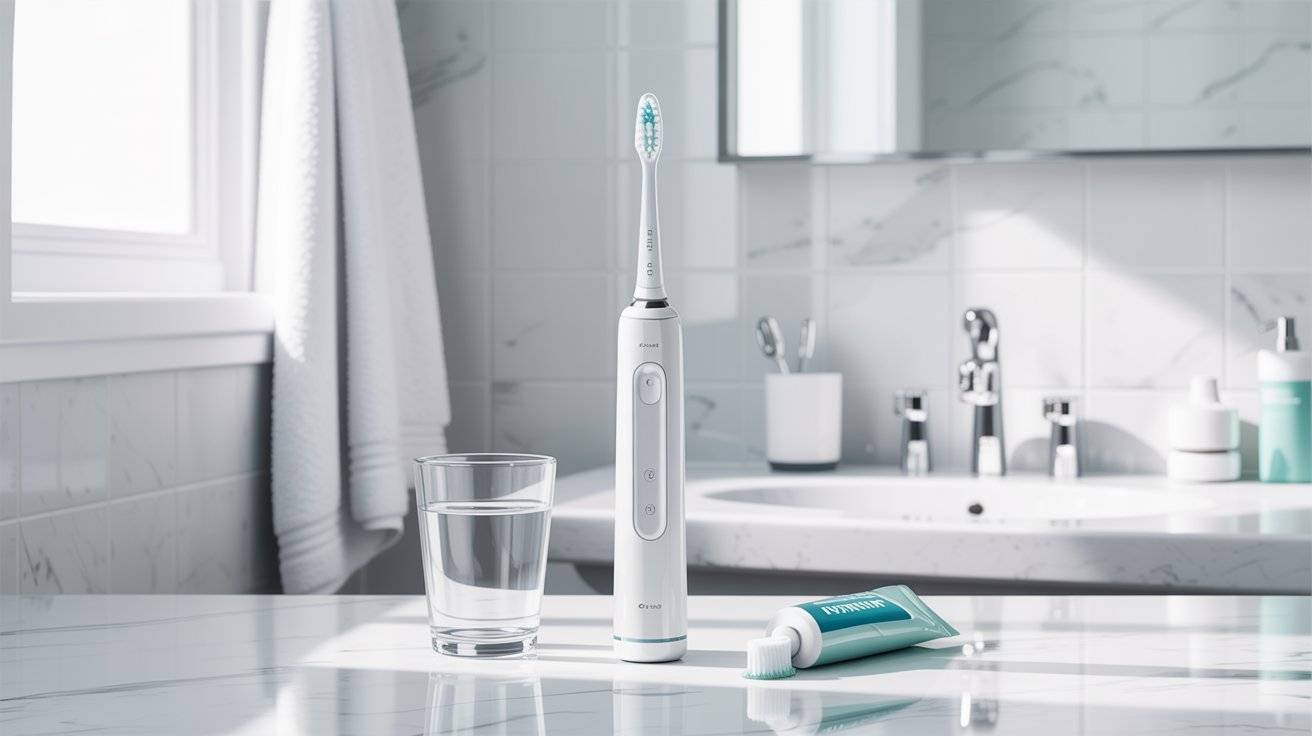
Why You Should Replace Your Toothbrush More Often

Good oral health supports a clean mouth, fresh breath, and a strong smile. Many people brush their teeth each day, yet they often forget one simple habit: replacing the toothbrush on time. A toothbrush plays a key role in daily cleaning, and its condition directly affects results. If the bristles lose shape or strength, they cannot clean well. This article explains why regular replacement matters, how it improves oral health, how it supports better dental checkups, and how to choose the right toothbrush for your needs. The goal is to give clear, direct, and useful guidance in simple language without unclear ideas or extra fluff.

Why Toothbrush Replacement Matters

Bristles Wear Out Faster Than You Think

A toothbrush looks strong at first, but daily brushing puts pressure on the bristles. Over time, the bristles bend, split, and soften. When this happens, the toothbrush cannot reach spots between the teeth or along the gumline. Worn bristles tend to push plaque instead of lifting it away. This leaves more buildup behind and reduces cleaning quality.

A Worn Toothbrush May Harm Oral Health

Old bristles can irritate gums because the edges become uneven. This discomfort may cause some people to brush lightly, which reduces the cleaning effect even more. Poor cleaning leads to a rise in plaque, which may raise the chance of gum issues, tooth decay, and bad breath. Replacing the toothbrush helps maintain strong oral health and keeps the daily care routine effective.

The Link Between Toothbrush Condition and Dental Checkups

Dentists Notice Signs of Poor Brushing

During dental checkups, your dentist looks closely at plaque, gum swelling, and any areas that need extra cleaning or attention. Many patients don’t realise that an old or worn-out toothbrush leaves clear signs, and these signs become visible during routine visits. Plaque usually forms along the gumline, and tiny bits of food often stay trapped in narrow spaces between the teeth. When these issues build up, the cleaning process can take longer and may feel more uncomfortable than usual.

Regular care from trusted local clinics such as Shire Doctors and Dentists helps people maintain steady oral hygiene habits and reduce avoidable problems. When patients follow daily brushing and flossing routines properly, they reduce gum irritation, remove soft plaque before it hardens, and keep their mouth healthier between visits. This consistent approach supports shorter appointments, smoother cleanings, and stronger overall oral health.

A Fresh Toothbrush Supports Better Results

Using a fresh toothbrush helps reduce plaque before your appointment. Clean teeth and gums give the dentist a clearer view of your mouth. It may also help reduce discomfort during dental checkups because there is less buildup that needs removal. When you use a toothbrush in good condition, your daily care supports the work done at each visit.

How Often You Should Replace a Toothbrush

General Guidelines

Most experts suggest replacing a toothbrush every three months. After three months, bristles show wear in most cases. If you brush more than twice per day, the wear may happen faster, so replacement may be needed sooner.

Replace Sooner if You See Damage

If you notice the bristles bending outwards, splitting, or losing shape, it is time to replace the toothbrush even if three months have not passed. A toothbrush with clear damage cannot clean properly. If the handle cracks or the head feels loose, replace it right away. Safety and cleaning quality should always come first.

Replace After Illness

If you have had a cold, flu, or other sickness, replace your toothbrush. Germs may stay on the bristles, and using the same toothbrush may raise the chance of getting sick again. A fresh toothbrush helps you start clean.

The Role of Toothbrush Type in Oral Health

Manual Toothbrush

A manual toothbrush is simple and effective when used with proper technique. It gives full control over pressure and angle. However, it still needs regular replacement because the bristles wear out like any other brush.

Electric Toothbrush

An electric toothbrush moves the head for you, creating more consistent brushing action. Many people find it easier to clean hard-to-reach spots with an electric brush. The heads still need replacement every few months. Some models have a light or signal that shows when it is time to change the head.

Soft Bristles vs. Hard Bristles

Soft bristles are gentle on gums and can reach the small gaps between teeth. Hard bristles may feel strong, but they can scrape tooth surfaces and irritate gums. Soft bristles keep cleaning gentle yet effective. No matter the bristle type, replacement remains important for good oral health.

Signs You Need a New Toothbrush

Bristles Change Colour

Some toothbrushes have colour-changing indicators. When the colour fades, it means the bristles have worn down. If your toothbrush has this feature, use it as a simple guide.

Toothbrush Feels Less Effective

If brushing feels less smooth or you need more effort to get the same clean feeling, the toothbrush may be worn out. A fresh toothbrush should glide easily and lift buildup with little pressure.

Bad Smell From the Brush

A toothbrush should not carry a smell. If you notice a smell even after rinsing, it may be time for a new one. A smell can mean that germs have built up between the bristles.

How Regular Replacement Boosts Daily Oral Health

Fresher Breath

A toothbrush in good condition removes more plaque and food debris, which helps reduce bad breath. Old bristles fail to reach key areas where odour starts.

Cleaner Gumline

The gumline is where plaque builds the most. Fresh bristles reach the curve of the gumline better. Clean gums help reduce swelling and keep brushing comfortable.

Better Protection Against Decay

Plaque is the main cause of tooth decay. If plaque stays on the teeth for too long, it damages the surface. A new toothbrush removes more plaque, giving you stronger defence each day.

How Replacing Your Toothbrush Helps You Build Strong Habits

Encourages Consistent Care

Setting a reminder every few months helps you stay on track with oral health habits. Replacing the toothbrush becomes part of your routine, similar to booking regular dental checkups.

Makes Brushing More Enjoyable

A fresh toothbrush feels better in the mouth. Smooth bristles clean more easily, and this improves comfort. When brushing feels better, people tend to do it more consistently.

How to Choose the Best Toothbrush

Pick a Comfortable Handle

A good handle helps you control the brush. Choose a handle with a shape that fits your grip. Comfort improves control and leads to better brushing.

Choose a Head Size That Fits Your Mouth

A smaller head helps reach back teeth with ease. A large head may clean wider areas but can miss tight spaces. Choose the size that lets you reach every tooth.

Select Soft Bristles for Safe Cleaning

Soft bristles clean gently and reduce strain on gums. They bend to reach small gaps, which improves cleaning. Hard bristles are more likely to cause irritation.

Ask Your Dentist for Advice

During dental checkups, your dentist can suggest the best brush type for your needs. They may also guide you on the right brushing technique to support oral health.

Storing Your Toothbrush Properly

Keep It Upright and Dry

Store your toothbrush in a cup or holder that allows air to flow around the bristles. This helps the brush dry faster and reduces germ growth.

Do Not Cover When Damp

A cover traps moisture. Moist bristles create a space for germs. If you use a cover, make sure the toothbrush is fully dry first.

Keep Brushes Separate

If you share a holder with others, keep the toothbrushes separate so they do not touch. This keeps each brush clean and reduces the chance of germ transfer.

Final Thoughts

Replacing your toothbrush on time is a simple step that brings strong benefits for oral health. Fresh bristles clean better, protect gums, support fresh breath, and reduce plaque. This also helps you arrive at dental checkups with cleaner teeth and fewer issues for the dentist to address. By choosing the right toothbrush, checking for signs of wear, and replacing it regularly, you can improve your daily routine and keep your smile strong.
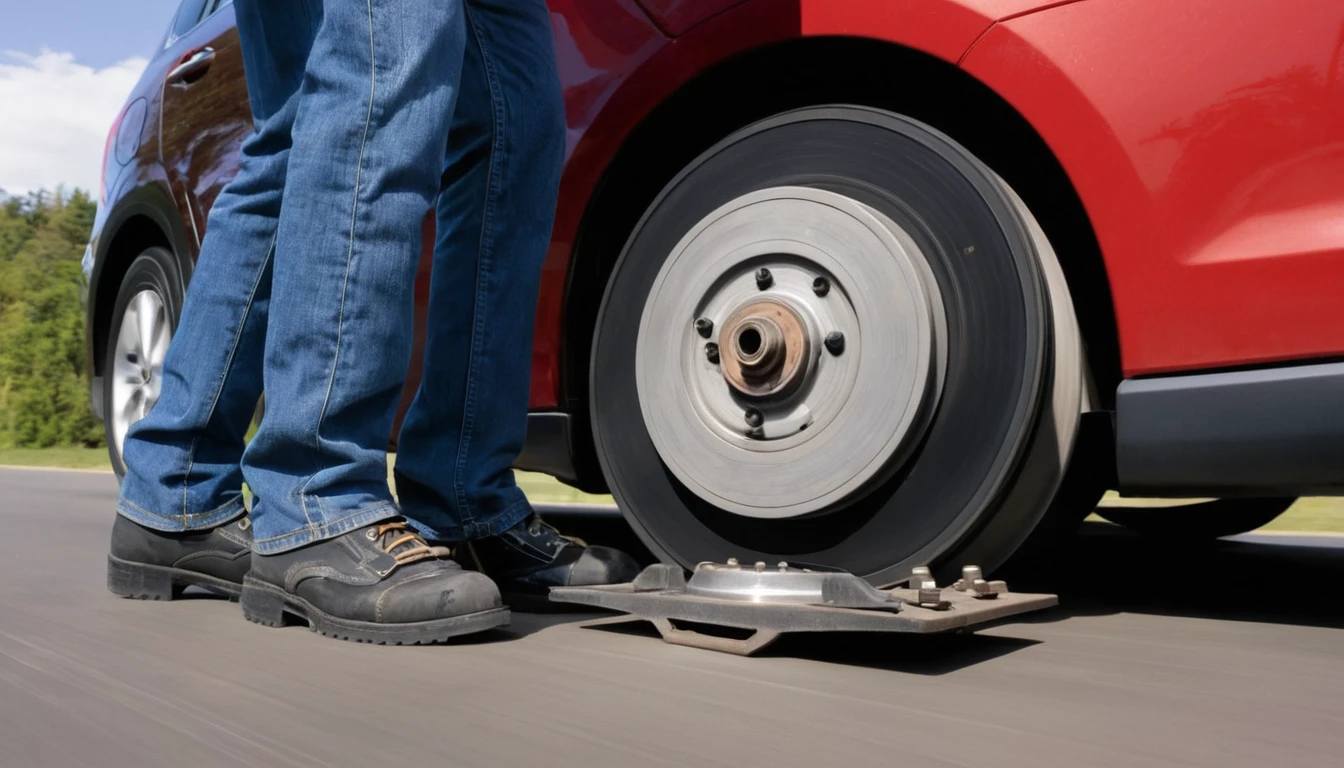

How to Know If Your Brakes Are Safe for Long Trips

Regular brake checks are a key part of preventive maintenance that keeps your car safe and improves vehicle longevity. Before a long trip, you must know how to assess your brakes and suspension system. Ignoring small issues can lead to expensive repairs or safety risks. This guide explains how to check your brakes, spot warning signs, and ensure your suspension supports a safe and smooth drive.

Why Brake Safety Matters for Long Trips

Your brakes are the heart of your vehicle’s safety system, working tirelessly to control speed, manage stops, and keep you safe on every journey. During long drives or heavy traffic, especially on hilly or uneven roads, your brakes face constant stress and heat buildup. When combined with worn-out pads or neglected maintenance, this can lead to reduced braking efficiency and even sudden failure, a serious risk that can be avoided with timely inspections and expert care from trusted Car Suspension Specialists who understand how brake performance connects directly to your suspension system’s balance and handling.

Performing preventive maintenance on your brakes before long trips reduces the chance of breakdowns. It also protects your car’s suspension and improves overall vehicle longevity.

Signs That Your Brakes May Not Be Safe

You can identify brake issues early by paying attention to how your car feels and sounds. Below are the main warning signs:

Squeaking or Grinding Noises

When brake pads wear down, they create squeaking or grinding sounds. These sounds mean the pads are thin and may damage the rotors if ignored. Replacing worn pads early helps avoid costly rotor replacements.

Vibration in the Brake Pedal

If your brake pedal vibrates when you press it, your rotors may be uneven or warped. This usually happens when brakes overheat. A mechanic can resurface or replace the rotors to fix this issue.

Longer Stopping Distance

If your car takes longer to stop, your brakes may not be working at full strength. This could be due to worn pads, low brake fluid, or air in the brake lines. It is important to have your brakes checked immediately in this case.

Brake Warning Light

The brake warning light on your dashboard indicates a problem in the braking system. It may signal low brake fluid, worn pads, or a system fault. Do not ignore this light; have a technician inspect your brakes as soon as possible.

Car Pulls to One Side

If your car pulls to one side when braking, one brake caliper may be sticking. This causes uneven braking and puts stress on your suspension. Servicing or replacing the affected caliper will correct the problem.

How to Inspect Your Brakes Before a Long Trip

You can perform some basic checks yourself before visiting a mechanic. Here are the key steps:

Check Brake Pads

Look through the wheel spokes to see your brake pads. If the pad material is less than one-quarter inch thick, it is time for a replacement. Worn pads reduce stopping power and can damage other parts of the brake system.

Check Brake Fluid

Open the brake fluid reservoir under the hood and check the fluid level. The fluid should be between the minimum and maximum marks. Low brake fluid can reduce braking performance and may signal a leak. Always use the fluid type recommended in your vehicle manual.

Test Brake Pedal Pressure

Start your car and press the brake pedal. It should feel firm, not soft or spongy. A soft pedal can mean air or moisture in the brake lines. In that case, the system needs to be bled and refilled with fresh fluid.

Look for Leaks

Check under your car for any fluid leaks near the wheels or under the brake master cylinder. Brake fluid leaks are serious and must be fixed before driving long distances.

Listen and Observe

When driving around your neighborhood, pay attention to sounds and how your car responds when you brake. Notice any unusual vibrations, noises, or pulling. These are clear signs that your brakes need attention.

The Role of Preventive Maintenance in Brake Safety

Preventive maintenance helps you identify brake problems early and avoid emergencies. Regular inspections allow you to fix small issues before they turn into major repairs.

Routine Brake Inspections

Have your brakes inspected at least twice a year, or every 10,000 miles. Mechanics can measure pad thickness, check fluid condition, and inspect all components for wear.

Brake Fluid Replacement

Brake fluid attracts moisture over time, reducing its performance. Replace your brake fluid every two years or as recommended by your vehicle manufacturer. This simple step improves braking efficiency and protects internal parts from corrosion.

Replace Pads and Rotors on Time

Worn pads and damaged rotors reduce braking strength. Replace them according to the manufacturer’s maintenance schedule. Using quality parts increases vehicle longevity and ensures consistent braking performance.

How Brakes Affect Vehicle Longevity

Brakes and car suspension work together to maintain control and stability. Worn brakes can put extra strain on your suspension and tires, causing uneven wear and higher maintenance costs.

Suspension Stress

When brakes do not perform well, the suspension absorbs more force during stops. This can damage shocks, struts, and control arms. Keeping your brakes in good condition reduces stress on your suspension and extends its life.

Tire Wear

Uneven braking pressure leads to uneven tire wear. Proper brake balance helps your tires last longer and ensures better grip and handling on the road.

Smooth Driving Experience

A well-maintained braking system supports smoother driving and reduces vibration. This protects your vehicle from unnecessary strain and improves comfort during long trips.

How Suspension Supports Brake Safety

Your car suspension keeps your tires in contact with the road, allowing brakes to work effectively. If your suspension is weak, your car may dip forward or sway when you brake. This reduces braking control and increases stopping distance.

Signs of Suspension Problems

Watch for these signs before a long trip:

  • The car bounces after hitting bumps.
  • The steering feels loose or unstable.
  • The front end dips when braking.
  • You notice uneven tire wear.

If you notice these symptoms, have your suspension checked. Replacing worn shocks or struts will improve both comfort and brake safety.

Preventive Maintenance Checklist Before a Long Trip

Before any road trip, complete this simple checklist:

  1. Inspect brake pads and rotors.
  2. Check brake fluid level and color.
  3. Test pedal firmness.
  4. Listen for brake noises during a short drive.
  5. Inspect tires for even wear.
  6. Check suspension components for leaks or damage.
  7. Top up other fluids, such as engine oil and coolant.

Completing these checks ensures your vehicle is ready for a long journey.

When to Visit a Mechanic

Even if everything seems fine, you should still visit a certified mechanic before a long trip. A professional can test brake pressure, inspect the hydraulic system, and check your suspension alignment. This visit can prevent unexpected problems on the road and increase your vehicle’s reliability.

Final Thoughts

Safe brakes are essential for every long trip. Regular preventive maintenance ensures your braking system works efficiently, protects your suspension, and extends vehicle longevity. By inspecting brake pads, checking fluid levels, and responding quickly to warning signs, you can drive with confidence and safety.

Before you start your next trip, take time to check your brakes and suspension. Simple attention to these details keeps your vehicle strong, smooth, and ready for the road ahead.

How to Dress Your Dog Comfortably in Summer Heat

Dogs can feel the effects of summer heat just like humans. Choosing the right clothes for your dog helps keep them cool, protected, and comfortable. This guide explains how to select and use dog clothes safely during warm weather. It also shares practical tips for keeping your dog happy and healthy when temperatures rise.

Why Dogs Wear Clothes in Summer

Many people think dogs only need clothes in winter, but stylish and functional pet fashion has evolved far beyond that. During the summer, light and breathable outfits play a big role in protecting your dog from direct sunlight, heat, and insect bites. These clothes not only add a touch of personality but also ensure comfort and safety when your pet enjoys outdoor adventures or park walks.

Today, pet owners who care about both comfort and style are turning to hypebeast dog clothes that blend trendy streetwear designs with high-quality materials. Brands like The Supreme Dog Garage offer exclusive collections that mirror human fashion trends, making your dog look cool while staying protected. This new wave of fashionable pet apparel helps reduce shedding, keeps your pet’s skin clean, and turns everyday walks into stylish statements.

Protection from Sunburn

Short-haired and light-colored dogs are more likely to get sunburned. A lightweight shirt can block harmful UV rays and prevent skin irritation. Look for dog clothes labeled as “UV protective” for added safety.

Shield from Insects

In summer, mosquitoes and ticks are common. Thin, breathable clothing covers exposed areas like the belly and back, helping reduce bug bites and infections.

Reducing Heat Absorption

Some dogs have dark fur that absorbs more heat. Light-colored dog clothes reflect sunlight, keeping the body temperature lower and helping prevent overheating.

Choosing the Right Dog Clothes for Summer

Selecting the correct clothing is essential. The wrong fabric or fit can make a dog uncomfortable. Always consider size, fabric, and activity level before buying dog clothes.

Pick Light and Breathable Fabrics

Choose soft and airy materials such as cotton, mesh, or linen. These fabrics allow air to move freely and dry quickly. Avoid heavy or synthetic fabrics like polyester or fleece, which can trap heat.

Check Proper Fit

Dog clothes should not be tight or too loose. Measure the chest, neck, and back before purchasing. A good fit allows easy movement while staying in place during play or walks. Tight clothes restrict breathing and movement, while loose clothes can cause tripping or discomfort.

Look for Easy Fastening Options

Use clothes with Velcro, snaps, or elastic openings. These make dressing and undressing simple, especially for active dogs. Avoid small buttons or decorations that dogs can chew or swallow.

Select Light Colors

Light colors such as white, pastel blue, or beige reflect sunlight. They help keep dogs cooler compared to dark colors, which absorb heat.

Signs Your Dog Is Too Hot

Even with the right clothes, dogs can still get overheated in high temperatures. It is important to watch for signs of heat stress.

Common Signs of Heat Stress

  • Heavy panting
  • Excessive drooling
  • Lethargy or weakness
  • Bright red gums or tongue
  • Vomiting or unsteady movement

If you notice any of these signs, remove the clothes immediately, move your dog to a cool area, and provide water. If symptoms continue, contact a veterinarian right away.


How to Dress Your Dog Safely in Summer

Proper dressing is more than just putting on clothes. Follow these steps to ensure your dog stays safe and comfortable.

Step 1: Choose the Right Time

Dress your dog early in the morning or late in the evening when the temperature is lower. Avoid dressing them during peak heat hours, usually between 11 a.m. and 4 p.m.

Step 2: Check for Comfort

After dressing, observe your dog for a few minutes. Ensure they can walk, run, and sit comfortably. Adjust straps or remove any tight parts.

Step 3: Limit the Duration

Do not keep dog clothes on for too long in the heat. Allow breaks every few hours to let the skin breathe. Remove the clothing indoors or when your dog rests in the shade.

Step 4: Keep the Clothes Clean

Wash dog clothes regularly to remove sweat, dirt, and bacteria. Use mild detergent and dry them fully before the next use. Clean clothes prevent skin irritation and odor buildup.

Best Types of Dog Clothes for Summer

There are different types of clothes designed for warm weather. Choose one based on your dog’s size, activity, and environment.

Cooling Vests

Cooling vests are popular for hot days. They use moisture to reduce body temperature. You soak the vest in water, wring it out, and put it on your dog. The evaporation process helps keep them cool for hours.

Lightweight Shirts

Simple cotton shirts or mesh tops work well for daily walks. They protect the skin from the sun while allowing good airflow.

Bandanas and Scarves

Cooling bandanas can be soaked in water and tied loosely around the neck. They are light and easy to wear, offering mild cooling relief.

Protective Boots

Hot pavement can burn a dog’s paws. Soft, breathable boots protect their feet while walking outdoors. Choose ones with non-slip soles and proper ventilation.

Tips to Keep Dogs Cool Besides Clothing

Dog clothes help, but additional steps can further reduce the risk of overheating.

Provide Shade and Water

Always ensure your dog has access to shaded areas and clean, cool water. Refill water bowls often during the day.

Use Cooling Mats

Cooling mats are filled with gel or water and help regulate body temperature. Place one inside or outside where your dog rests.

Avoid Hot Surfaces

Avoid walking your dog on asphalt or concrete during the hottest hours. These surfaces retain heat and can harm their paws.

Groom Regularly

Keep your dog’s coat clean and trimmed. Brushing removes excess fur, allowing better airflow and cooling.

Common Mistakes When Dressing Dogs in Summer

Even with good intentions, many owners make errors when choosing or using dog clothes.

Using Thick or Non-Breathable Fabrics

Heavy fabrics cause dogs to sweat more and feel uncomfortable. Always stick to lightweight materials for summer use.

Ignoring Size and Fit

Improperly sized clothes cause rubbing or restrict movement. Measure carefully before buying.

Leaving Clothes on for Too Long

Prolonged wear traps heat and moisture. Always remove clothes when indoors or during rest time.

Forgetting Hydration

Even with clothes, dogs still need plenty of water. Never replace hydration with cooling accessories.

Dogs That Benefit Most from Summer Clothes

Not all dogs need clothing in summer, but certain breeds benefit more than others.

Short-Haired Breeds

Dogs with thin coats, such as Greyhounds or Chihuahuas, can get sunburn easily. Light clothing helps protect their skin.

Light-Colored Dogs

Dogs with white or cream fur are more prone to sunburn. Clothing acts as a shield against UV rays.

Small and Toy Breeds

Smaller dogs often struggle to regulate body temperature. A breathable shirt can help them stay balanced.

Final Thoughts

Dressing your dog for summer requires attention and care. The goal is to protect, not overheat. Choose breathable fabrics, light colors, and proper fits. Pay attention to your dog’s behavior and comfort level. Combine clothing with good hydration, shade, and limited exposure to heat.

When done right, summer clothing can make your dog safer and happier outdoors. Always remember that dogs rely on their owners to make smart choices for their comfort and health. By selecting the right dog clothes and using them correctly, you can help your dog enjoy the warm months safely.

How Irish Society Views Divorce and Financial Fairness

Divorce and financial matters have become central topics in Irish society. Over the years, Ireland’s view of marriage, separation, and financial fairness has changed. These changes reflect new laws, social values, and cultural shifts that affect how people see relationships and their outcomes. Understanding how Irish society views divorce and financial fairness helps explain the broader picture of equality, justice, and family stability in the country.

The History of Divorce in Ireland

Divorce was once prohibited in Ireland. For many years, Irish law and culture strongly opposed the idea of ending a marriage. The Constitution of 1937 banned divorce, showing the influence of the Catholic Church on Irish life. Marriage was viewed as a permanent bond that should never be broken.

This strict position began to change in the late 20th century. After long debate, Ireland held a referendum in 1995 to allow divorce. The result was very close, showing how divided society was on the issue. Still, it marked a turning point. Divorce became legal under specific conditions, and Ireland started to modernise its family law system.

Social Attitudes After Legalisation

When divorce became legal, Irish society faced a period of adjustment. Many people saw divorce as a threat to family values, while others believed it offered fairness and freedom. Over time, attitudes softened. The rise in education, urban living, and women’s rights all influenced public opinion.

Today, divorce is more widely accepted. It is seen as a necessary option when a marriage cannot continue. People now focus less on moral judgement and more on practical outcomes such as child welfare and financial fairness. This shift reflects Ireland’s growing emphasis on equality and personal choice.

The Meaning of Financial Fairness

Financial fairness in divorce refers to how assets, income, and property are divided when a marriage ends. In Ireland, the principle of fairness ensures that both partners maintain a reasonable standard of living after separation. The law recognises that one spouse may have contributed non-financially by caring for children or managing the household, and therefore, deserves financial protection. Divorce settlements must consider each partner’s financial situation, future earning potential, and overall well-being. In complex financial cases, guidance from an Irish personal insolvency practitioner can be valuable, especially when debts, shared loans, or mortgage arrears are involved. Such professionals help assess financial stability and propose sustainable repayment or settlement options that align with legal fairness.

Financial fairness does not necessarily mean an equal split of assets but rather a just and balanced outcome based on need, contribution, and circumstance. Irish courts examine several factors before finalising a decision, including the length of the marriage, each spouse’s income, standard of living during the relationship, and the welfare of any children. Understanding these principles helps couples approach divorce with greater clarity and reduces financial stress during an already emotional process. Equitable Divorce provides an accessible online platform that helps individuals understand the real cost of divorce in Ireland and make informed financial decisions throughout the separation journey.

Legal Framework for Divorce and Financial Matters

The Family Law (Divorce) Act 1996 set the foundation for divorce and financial fairness in Ireland. The Act allows the court to make financial orders covering maintenance, property, pensions, and other assets.

To grant a divorce, the court must be satisfied that:

  • The couple has lived apart for at least two of the previous three years.
  • There is no chance of reconciliation.
  • Proper arrangements have been made for dependants.

Once divorce is granted, financial orders can be made to ensure fairness. The court can transfer property, divide pensions, or order regular maintenance payments.

Maintenance and Support

Maintenance is one of the most common financial issues in divorce cases. It ensures that a financially dependent spouse or child continues to receive support. The court decides the amount based on each person’s income, needs, and responsibilities.

Property and Asset Division

Property division often causes disputes. Irish courts aim for fairness, not equality. Each case is different. A spouse who gave up work to raise children may receive a larger share of property or assets. The goal is to avoid financial hardship for either party after separation.

Pension Adjustment Orders

Pensions are also considered part of marital assets. Courts can issue a Pension Adjustment Order, allowing one spouse to receive part of the other’s pension benefits. This ensures long-term financial security, especially for older individuals who may have fewer work opportunities.

Gender and Financial Fairness

Gender plays a key role in how divorce and financial fairness are viewed in Irish society. Historically, men were seen as the main earners, and women were often financially dependent. This imbalance made divorce more difficult for women.

In recent years, gender equality movements have helped change this view. More women now work full-time and contribute financially to the household. Courts recognise these contributions, both financial and non-financial, such as childcare and domestic work.

However, some inequalities remain. Women are still more likely to experience financial difficulty after divorce, especially single mothers. Irish social policies continue to address these gaps through child benefit schemes and support for lone parents.

The Role of Mediation in Achieving Fairness

Mediation has become a key part of resolving divorce and financial disputes in Ireland. It allows couples to discuss their issues with the help of a neutral third party. The goal is to reach agreement without going to court.

Mediation is often faster, less stressful, and cheaper than litigation. It encourages open communication and helps couples make practical decisions about property, finances, and children. The Irish government supports mediation as a fair and efficient way to settle divorce cases.

Cultural Influence on Perceptions of Fairness

Cultural attitudes still shape how people in Ireland view divorce and financial fairness. Older generations may see divorce as a last resort, while younger people view it as a normal part of life. Religious beliefs also influence opinions, though their impact has lessened in recent decades.

Modern Irish society values equality, respect, and independence. These values influence how fairness is defined. Fairness now means allowing both partners to rebuild their lives without disadvantage. It also means protecting children from financial or emotional harm.

Economic Impact of Divorce

Divorce affects not only individuals but also the wider economy. Legal fees, housing costs, and separate living expenses can strain both parties. Many divorced individuals find it harder to maintain their previous standard of living.

Housing is one of the biggest challenges. After divorce, each person often needs separate accommodation, which increases demand for affordable housing. The Irish government continues to explore ways to support families facing these pressures through housing assistance and social welfare measures.

Public Opinion and Media Influence

Media coverage has played an important role in shaping public views on divorce and financial fairness. Irish newspapers, television, and online platforms often highlight high-profile divorce cases and financial settlements. These stories can influence how people understand fairness and responsibility.

Public opinion polls show that most Irish citizens now support divorce and believe in fair financial arrangements. The stigma once attached to divorce has largely faded, replaced by a focus on mutual respect and legal protection.

The Future of Divorce and Financial Fairness in Ireland

Ireland continues to review and improve its family law system. In 2019, a constitutional amendment reduced the required separation period before divorce from four years to two. This change made the process faster and less burdensome.

Future reforms may address further simplification of court procedures and greater access to legal aid. There is also growing interest in digital services for family law cases, making it easier for people to access information and support.

Irish society is moving toward a more balanced view of marriage and separation. Divorce and financial fairness are now seen as legal and moral responsibilities rather than moral failings. The focus remains on fairness, equality, and stability for all involved.

Conclusion

Divorce and financial fairness in Irish society reflect the country’s social progress and commitment to equality. While divorce was once banned, it is now a recognised part of life. The emphasis has shifted from blame to fairness. Irish law seeks to protect both parties and ensure that financial arrangements reflect need, contribution, and justice.

As Irish society continues to evolve, the discussion on divorce and financial fairness will remain important. It highlights the ongoing effort to balance tradition with fairness, individual rights with shared responsibility, and emotional needs with financial realities. The Irish approach today shows that fairness is not just a legal goal but a social value deeply rooted in respect and compassion.

How Fit-Out Contractors Manage Space Efficiency and Aesthetics

Fit-Out Contractors play a key role in turning an empty or unfinished area into a functional and visually balanced space. They plan and execute Fit-Out solutions that help businesses use every square foot effectively while maintaining a pleasing design. Their work covers office interiors, retail outlets, hospitality environments, and healthcare facilities. The main goal is to create a space that supports productivity, comfort, and brand identity without wasting resources.

Understanding the Role of Fit-Out Contractors

Fit-Out Contractors are specialists who handle interior construction and design implementation. They manage every part of the process, from planning to project completion. Their tasks include layout planning, material selection, lighting design, furniture installation, and space optimization. A well-planned Fit-Out solution helps ensure that every element of the interior aligns with the client’s operational goals and design expectations.

Core Functions of Fit-Out Contractors

  1. Space Planning – They evaluate how people will move and work within the space. This step ensures logical flow and functional layout.
  2. Design Coordination – They work with architects and designers to align practical needs with aesthetic preferences.
  3. Material Management – They select durable and cost-effective materials that enhance both form and function.
  4. Project Execution – They handle installation, inspection, and final adjustments to deliver a ready-to-use space.

Through these activities, Fit-Out Contractors create spaces that look good and work well.

The Importance of Space Efficiency

Space Efficiency is essential for both small and large properties. It allows companies to reduce waste, increase productivity, and enhance user experience. Fit-Out Contractors use smart planning to maximize usable space without overcrowding or reducing comfort.

Key Principles of Space Efficiency

  1. Effective Layout Design – Each section of the space must serve a purpose. The layout should support easy movement and logical positioning of work areas, meeting rooms, or product displays.
  2. Flexible Furniture Solutions – Modular and multi-functional furniture help save space and allow easy rearrangement when business needs change.
  3. Proper Lighting Use – Good lighting can make an area feel larger and more open. Fit-Out Contractors use natural and artificial lighting in combination to enhance efficiency.
  4. Vertical Utilization – Using wall-mounted storage and tall shelving helps keep the floor open and organized.
  5. Smart Storage Integration – Hidden and built-in storage units reduce clutter and keep the space tidy.

Space Efficiency improves the workflow, saves costs, and helps businesses operate more smoothly.

Balancing Function and Aesthetics

Fit-Out Contractors understand that both function and aesthetics are vital for a successful project. A well-designed space must be efficient but also appealing. A good design promotes comfort, employee satisfaction, and a positive brand image.

Visual Harmony and Comfort

Colors, textures, and materials must blend naturally. For offices, a neutral palette with accent colors can improve focus and mood. For retail spaces, vibrant colors may attract attention and stimulate customer engagement. Fit-Out Contractors choose combinations that fit the client’s brand and daily use requirements.

Lighting and Spatial Appeal

Lighting affects both mood and visual clarity. Contractors plan lighting layouts that reduce shadows, highlight design features, and make spaces feel open. They use different lighting types, such as task lighting for work areas and ambient lighting for relaxation zones. Proper lighting balance supports both comfort and efficiency.

Material Selection and Durability

Aesthetics in interior design rely greatly on the quality and durability of materials used. Skilled contractors focus on selecting materials that not only deliver long-lasting visual appeal but also simplify maintenance. From high-grade laminate finishes to elegant glass partitions, every element contributes to creating a space that feels both refined and functional. Acoustic panels, for instance, play a dual role by improving sound control and enhancing the overall atmosphere of the environment.

When it comes to executing such detailed and high-standard design projects, Art Decor stands out as your trusted partner for Turnkey Interiors and a leading interior contracting company in Saudi Arabia. With a reputation for precision, innovation, and quality craftsmanship, Art Decor ensures that every project reflects modern aesthetics, practical functionality, and client satisfaction. Their team emphasizes material excellence and design harmony, helping transform ordinary interiors into visually stunning and efficiently built spaces.

Fit-Out Solutions for Different Environments

Each environment requires specific Fit-Out solutions. The approach for an office differs from that for a retail or hospitality space. Fit-Out Contractors adapt their methods based on the nature and function of the area.

Office Fit-Out Solutions

For offices, the main goals are productivity, comfort, and communication flow. Fit-Out Contractors plan open layouts with collaborative zones, breakout areas, and private workspaces. They focus on ergonomic furniture and effective cable management to maintain a clean look.

Retail Fit-Out Solutions

In retail spaces, customer experience is the top priority. Contractors design layouts that guide customers naturally through the store. They use lighting and displays to draw attention to key products and maintain a spacious, accessible atmosphere.

Hospitality Fit-Out Solutions

Hotels, restaurants, and cafés require designs that balance style with functionality. Fit-Out Contractors use durable materials and efficient layouts to manage high traffic and ensure easy maintenance. A good hospitality Fit-Out enhances the comfort of both guests and staff.

Healthcare Fit-Out Solutions

Healthcare facilities require safety, hygiene, and accessibility. Contractors use materials that are easy to sanitize and layouts that allow smooth patient movement. They plan zones for privacy, consultation, and treatment, while maintaining a welcoming environment.

Project Management in Fit-Out Solutions

Fit-Out Contractors handle multiple responsibilities to keep projects on track. They plan schedules, manage budgets, and coordinate with suppliers and labor teams. Their structured approach reduces delays and helps deliver projects on time.

Phases of a Fit-Out Project

  1. Consultation and Assessment – Contractors analyze client needs, building structure, and available space.
  2. Design and Planning – They create layout drawings, select materials, and finalize design concepts.
  3. Budget and Scheduling – They prepare cost estimates and timelines that align with client expectations.
  4. Construction and Installation – The physical work begins, including partitioning, flooring, and furniture placement.
  5. Final Inspection and Handover – Contractors ensure everything meets design and quality standards before completion.

Each phase demands clear communication and regular updates to maintain efficiency and accuracy.

Sustainable Fit-Out Solutions

Modern Fit-Out Contractors also focus on sustainability. They use eco-friendly materials, energy-efficient lighting, and smart building technologies. Sustainable Fit-Out solutions reduce operational costs and minimize environmental impact.

Green Practices in Space Efficiency

  • Use of recycled or locally sourced materials.
  • Installation of energy-saving lighting and HVAC systems.
  • Inclusion of natural light through large windows or glass partitions.
  • Waste reduction by reusing furniture and fixtures when possible.

These practices improve the overall quality of the environment and reflect a company’s social responsibility.

The Impact of Technology on Fit-Out Solutions

Technology supports Space Efficiency through advanced design and management tools. Fit-Out Contractors use 3D modeling and digital planning software to visualize the final result before construction. This helps identify layout issues early and make accurate adjustments.

Smart systems also play a growing role. Automated lighting, climate control, and occupancy sensors improve efficiency and reduce energy waste. These features make spaces more adaptable and easier to manage.

Measuring the Success of Fit-Out Projects

The success of Fit-Out solutions depends on measurable results. Contractors evaluate how the completed space performs in real use. They check functionality, comfort, and maintenance ease. Feedback from users helps refine future projects and improve service quality.

Key Evaluation Metrics

  • Space utilization rate.
  • Energy consumption before and after Fit-Out.
  • User satisfaction and productivity levels.
  • Maintenance frequency and costs.

Data from these factors confirms whether the Fit-Out meets efficiency and aesthetic goals.

Conclusion

Fit-Out Contractors play a vital role in shaping efficient and visually appealing spaces. Their expertise in planning, design coordination, and material selection ensures every Fit-Out solution supports both function and style. By focusing on Space Efficiency, they help businesses make better use of their environments, improve comfort, and strengthen brand identity. With the right contractor, any space, whether an office, retail outlet, or hospitality area, can achieve an effective balance between practicality and beauty.

How to Transition Swimwear from Beach to Brunch Effortlessly

Swimwear is no longer limited to sandy beaches or poolside lounges. With the right styling, it can move seamlessly from the beach to a casual brunch without losing comfort or style. This guide explains how to wear swimwear, bikinis, and beachwear in a smart, polished way suitable for both relaxation and social settings.

Understanding Modern Swimwear Styling

Modern swimwear focuses on versatility. A bikini or one-piece can look chic beyond the beach if styled with everyday clothing pieces. The key is balance—pairing fitted swimwear with flowy or structured garments helps create a smart, put-together appearance.

Fashion designers now create swimsuits that double as bodysuits or tops, allowing easy transition from beachwear to brunch outfits. Knowing how to combine colours, textures, and layers makes this shift effortless.

Choosing the Right Swimwear

Focus on Quality Fabric

High-quality fabric plays a crucial role in both comfort and durability when choosing swimwear. Premium brands like Leyla Maya focus on using luxury materials that enhance not only the look but also the feel of each piece. Their Luxury Swimwear and Luxury Beachwear collections are crafted to offer a balance of elegance and practicality, allowing women to move freely and feel confident whether lounging by the pool or walking along the shore.

When selecting the perfect swimsuit, pay attention to fabrics that maintain their shape and resist fading after repeated exposure to water and sunlight. Materials such as Lycra, nylon, and polyester blends are known for their quick-drying and flexible properties, ensuring long-lasting wear. Just as Leyla Maya demonstrates through its thoughtful craftsmanship, choosing premium fabrics ensures your swimwear remains beautiful, comfortable, and durable for seasons to come.

Select Neutral or Solid Colours

Solid tones such as black, navy, or beige blend more easily with regular clothing. These shades can pair well with skirts, shorts, or linen trousers, helping your look stay coordinated during brunch.

Opt for Supportive Fits

A well-fitted bikini or one-piece adds structure to your outfit. Adjustable straps, built-in cups, or underwire support can enhance comfort and provide a neat shape under outerwear.

Layering for a Beach-to-Brunch Look

Layering is the simplest way to convert beachwear into a casual daytime outfit. Lightweight layers add modesty and create a polished style without feeling overdressed.

Add a Breezy Cover-Up

A long, button-down shirt, kimono, or light cotton robe works well as a cover-up. These layers can remain open over your bikini top, creating a relaxed yet neat appearance for a café or seaside restaurant.

Pair with a Skirt or Shorts

High-waisted shorts or a flowing midi skirt help shift your look from swimwear to streetwear. Linen, cotton, or denim are ideal materials for this combination. Tuck in your swimwear top or tie a small knot at the waist for shape.

Use a Light Jacket or Blazer

For a smarter brunch look, add a linen blazer or cropped jacket. This instantly elevates your outfit while still keeping a relaxed summer tone. Neutral shades like white or beige pair well with most swimwear colours.

Accessorising Smartly

Accessories transform simple beachwear into a complete brunch outfit. Select pieces that complement both the casual and social sides of your day.

Choose Stylish Footwear

Swap flip-flops for flat sandals, espadrilles, or slides. These maintain comfort but look neater for dining settings. If your brunch spot has a smart-casual dress code, consider low wedges or simple mules.

Add a Hat or Sunglasses

A wide-brim hat or a pair of sleek sunglasses protect you from the sun and add effortless charm. These accessories also tie your beach and brunch styles together.

Carry a Functional Bag

A woven tote or medium-sized crossbody bag works well for both the beach and brunch. It can hold sunscreen, a wallet, and small essentials without appearing bulky or informal.

Include Simple Jewellery

Light jewellery keeps the look elegant. Small hoop earrings, a dainty chain, or stackable bracelets add subtle detail without overwhelming your outfit.

Makeup and Hair Tips for Easy Transition

Maintaining a fresh look between beach and brunch can be simple with light, practical grooming.

Keep Makeup Minimal

Use tinted sunscreen, waterproof mascara, and a lip tint for a natural glow. Avoid heavy foundation, as humidity and heat can make it uncomfortable. A soft, dewy finish suits both outdoor and indoor settings.

Manage Beach Hair

Saltwater can add natural texture to hair, which can be styled into loose waves or a casual bun. A quick brush-through with leave-in conditioner or a touch of hair oil helps maintain shine and smoothness.

Practical Outfit Ideas

Here are some easy combinations that work well for the beach-to-brunch shift.

One-Piece Swimsuit as a Bodysuit

Pair a one-piece swimsuit with linen trousers and a cropped denim jacket. Add sandals and sunglasses for a simple, stylish finish.

Bikini Top with Maxi Skirt

A bikini top can double as a crop top when worn under a flowy maxi skirt. Layer a thin open shirt or scarf for extra coverage.

Wrap Dress Over Swimwear

A lightweight wrap dress provides instant elegance. It’s easy to put on and complements all types of swimwear. Choose breathable materials for comfort.

Matching Co-Ord Set

A loose shirt and shorts co-ord made from linen or cotton blend perfectly with a bikini underneath. The open shirt look keeps it casual, while matching fabric gives it style consistency.

Colour and Print Coordination

Colour coordination helps your outfit appear balanced. Neutral swimwear allows bold cover-ups, while patterned swimsuits look best with solid-coloured outer layers. Tropical prints, stripes, and pastels all work well for summer outings.

Avoid mixing too many loud patterns, as this can make your outfit appear cluttered. Instead, focus on one main colour or design element that connects all your pieces.

Dressing for Different Brunch Venues

Casual Seaside Café

Keep it simple with a bikini top, shorts, and a cotton shirt. Sandals and a straw hat complete the relaxed style.

Urban Brunch Spot

Pair your one-piece with tailored trousers and a lightweight blazer. Add mules or loafers for a more refined appearance.

Resort Restaurant

A flowing maxi dress over your swimwear keeps you comfortable yet elegant. Choose soft accessories like a tote bag and flat sandals.

Seasonal Adjustments

Summer

Use breathable fabrics like linen and cotton. Keep colours light and add sun protection through hats and sunglasses.

Spring or Early Autumn

Layer with thin cardigans or blazers to stay warm during breezy mornings. Neutral tones and simple prints work well for transitional weather.

Comfort and Confidence

The best beach-to-brunch look is one that feels comfortable. Confidence grows when clothing fits well and allows ease of movement. Always test combinations before heading out to ensure you feel relaxed sitting, walking, or dining.

Sustainability in Swimwear Choices

Eco-conscious swimwear brands now produce designs from recycled materials. Choosing sustainable swimwear supports the environment and provides long-lasting wear. Check labels for recycled nylon or polyester and ethical production practices.

Conclusion

Transitioning swimwear from beach to brunch is simple with the right mix of layers, colours, and accessories. A bikini or one-piece can easily serve as part of a stylish daytime outfit. Focus on comfortable fabrics, clean lines, and functional additions. With thoughtful coordination, your beachwear can become a practical and fashionable choice for any casual occasion.

This effortless approach helps you stay comfortable, look stylish, and enjoy your day without needing a full outfit change. Swimwear, when styled correctly, can move confidently from sand to social space.

How Experiential Marketing Builds Stronger Brand Loyalty

Experiential marketing has become a proven approach for brands that aim to build lasting relationships with customers. It focuses on creating direct experiences that connect people with a product or service in meaningful ways. By engaging individuals through interactive activities, companies can reach their marketing goals while also improving customer loyalty. This article explains how experience marketing works, why it benefits corporate events, and how it supports long-term brand growth.

What Is Experiential Marketing

Experiential marketing, also called experience marketing, is a strategy where companies invite customers to interact with a brand. Instead of only sending messages, the brand creates live or digital experiences that allow people to engage, participate, and form personal connections. The goal is to make the customer feel part of the story rather than just a viewer.

Why Experiential Marketing Matters

Traditional advertising delivers information but often lacks emotional impact. Brand experience marketing gives audiences something real to connect with by creating moments that feel personal and memorable. Instead of only seeing an advert, customers join in a brand activity that captures their attention and emotions. This kind of interaction generates excitement and often inspires people to share their experiences, helping the message spread naturally.

When customers take part in these experiences, they develop stronger trust and attachment to the brand. The strength of brand experience marketing is its ability to turn simple engagement into long-term loyalty. People feel valued rather than targeted, which creates deeper relationships compared with traditional campaigns. These experiences stay with customers, turning them into lasting stories that continue to shape how they view the brand over time.

Role in Achieving Marketing Goals

Every business sets marketing goals to guide its efforts. Experiential marketing can support these goals by:

  • Increasing brand awareness through live events and digital campaigns
  • Driving product trials by letting people use and test items directly
  • Collecting customer data through event sign-ups and interactive tools
  • Encouraging social media sharing, which expands reach
  • Creating positive word of mouth through memorable experiences

By aligning activities with clear goals, companies can measure success in a practical way.

Importance of Corporate Events

Corporate events offer an ideal platform for experience marketing. Conferences, trade shows, and internal company events provide direct access to audiences who are ready to engage. A well-planned event allows companies to present products, share brand values, and build stronger business relationships.

Corporate events also help strengthen employee loyalty. By involving staff in engaging activities, organisations improve morale and create a sense of pride in the brand. This internal effect is as valuable as external engagement.

Building Emotional Connections

A key benefit of experiential marketing is the ability to create emotional connections. Customers do not just buy products for practical reasons; they also choose brands that make them feel understood. Experiences like product demonstrations, pop-up events, or interactive workshops give people the chance to connect emotions with the brand.

These connections lead to loyalty because customers remember how the experience made them feel. Positive memories influence repeat purchases and long-term trust.

Experience Marketing in the Digital Age

While live events remain powerful, digital experiences also play a central role. Online webinars, virtual product launches, and interactive campaigns on social media can reach a global audience. This allows companies to use experience marketing even when in-person contact is limited.

Digital tools also give more precise data. Brands can track user actions, measure engagement, and adjust strategies in real time. This helps improve future events and campaigns.

Measuring Success

To confirm that experience marketing supports business growth, companies need to measure results. Some common methods include:

  • Event attendance and participation rates
  • Social media mentions and shares
  • Customer feedback and surveys
  • Lead generation and sales conversion
  • Repeat engagement with the brand

Clear measurement ensures that marketing goals remain the centre of all activities.

Examples of Experiential Marketing

  1. Product Sampling Events: Allowing customers to taste, test, or try a product in real time creates immediate impact.
  2. Immersive Installations: Brands that create interactive spaces attract attention and leave lasting impressions.
  3. Workshops and Learning Sessions: Teaching people how to use a product or service builds trust and positions the brand as helpful.
  4. Digital Challenges or Games: Online interactive activities encourage participation and expand reach through sharing.

These examples show how simple yet powerful activities can improve brand loyalty.

Benefits for Brand Loyalty

Experiential marketing improves loyalty in several ways:

  • It makes customers feel valued through direct engagement
  • It builds trust by allowing hands-on product experiences
  • It strengthens emotional ties between people and the brand
  • It creates positive stories that customers share with others

Loyal customers are more likely to return and recommend the brand, which reduces future marketing costs.

How to Integrate Experiential Marketing

Companies can begin using this strategy by following clear steps:

  1. Define marketing goals that guide the activity
  2. Select a format, such as a live event or digital campaign
  3. Plan activities that allow interaction, not just observation
  4. Involve both customers and employees where possible
  5. Collect feedback to improve future efforts

A structured plan ensures that experiences remain effective and consistent.

Common Challenges

Although effective, experience marketing does require planning and investment. Some common challenges include:

  • High event costs compared to traditional ads
  • Difficulty in scaling live experiences to large audiences
  • Need for creative planning and coordination
  • Risk of low participation if the campaign is not promoted well

These challenges can be managed by setting clear goals, preparing detailed logistics, and using digital channels to expand reach.

Future of Experiential Marketing

As customer expectations continue to grow, brands must offer more than simple messages. Experience marketing will remain central because people value real interaction. Advances in technology, such as virtual reality and augmented reality, will provide new ways for brands to create immersive experiences.

The future will likely combine physical and digital events into hybrid formats, ensuring both reach and engagement. This approach will help companies meet their marketing goals more effectively while continuing to build long-term loyalty.

Conclusion

Experiential marketing is a direct and effective way to build stronger brand loyalty. By focusing on interaction and personal connection, companies can achieve their marketing goals while creating lasting emotional ties. Corporate events, digital campaigns, and immersive activities all provide opportunities for experience marketing. With clear planning and careful measurement, this approach strengthens both customer relationships and brand reputation.

Small Space Decorating Tips for Urban Homes in London

London homes often face limits on housing space due to the dense city layout and the demand for property. Many residents live in flats or compact houses where every metre counts. With effective planning and simple decoration ideas, small space interiors can feel open, practical, and stylish. This guide shares clear strategies that focus on architecture, layout, and decoration. The aim is to help London homes use small space in a smart and functional way.

Understanding Housing Space in London

London housing space is shaped by a blend of old and new architectural styles. Many traditional homes are built with narrow rooms and distinctive layouts, reflecting historical design choices, while modern flats tend to focus on compact but highly efficient living. Space planning plays a vital role in decoration and usability for both types of properties, as the balance between practicality and comfort is always central to urban living.

In recent years, design firms such as dRAW Architecture have influenced the way housing space is reimagined in London. Their approach highlights how thoughtful layouts and creative use of light and materials can transform small spaces into functional and inviting environments. By recognising how architectural design directly affects daily living, residents can better appreciate the importance of clever planning in making the most of limited space.

Planning for Small Space Living

Assess the Layout

The first step in decoration is to study the layout. Identify natural light sources, wall structures, and storage options. A clear view of the layout allows better placement of furniture and decoration.

Prioritise Function

Every item should have a clear purpose. In small space living, decoration should support both function and style. For example, a foldable table can work as both dining and desk space.

Maintain Flow

The flow of movement in a London home is crucial. Avoid blocking paths with large furniture. Keep walkways open to give a sense of more housing space.

Furniture Solutions for London Homes

Multi-Functional Furniture

Choose furniture that serves more than one role. A sofa bed provides seating and sleeping in one piece. Storage ottomans hold items while offering extra seating. These solutions suit the limited housing space in small London homes.

Compact Designs

Select furniture with slim frames and clean lines. Bulky items consume small space and reduce visual openness. Light materials like glass or pale wood enhance the sense of airiness.

Vertical Storage

Architecture in London homes often provides high ceilings. Use vertical space with tall shelving, hanging racks, or wall-mounted cabinets. This keeps the floor area clear while increasing storage.

Decoration Strategies for Small Space

Light Colours

Light shades on walls and floors expand small space visually. White, cream, and soft grey reflect natural light and create brightness in London homes.

Mirrors

Mirrors reflect both light and views. Place mirrors opposite windows to enhance natural light and make the housing space appear larger.

Minimal Decoration

Avoid clutter. Select a few strong decoration elements instead of many small ones. For example, one piece of art on a wall makes a stronger impact than multiple smaller pieces.

Natural Light

Keep windows clear of heavy curtains. Light fabric blinds or simple shutters maintain privacy without blocking light. Natural light is one of the strongest design tools in small London homes.

Architecture and Built-In Features

Using Alcoves

Older London homes often include alcoves. These areas can become shelves, desks, or fitted storage. Architecture provides these opportunities to make housing space more efficient.

Built-In Storage

Built-in units reduce the need for large standalone furniture. Custom shelving, fitted wardrobes, and under-stair drawers use small space effectively.

Open Plan Adjustments

Where possible, combine kitchen, dining, and living areas. Open plan architecture creates flow and reduces barriers. This makes small space interiors in London feel larger.

Style Choices for Small London Homes

Consistent Colour Themes

Keep decoration consistent across rooms. Matching tones give a sense of unity, which expands the feel of housing space.

Simple Patterns

Strong patterns may overwhelm a small space. Use simple lines or soft textures instead. These choices keep decoration subtle but stylish.

Light Materials

Choose light wood, glass, or metal. Heavy materials reduce the openness of small space architecture. Light finishes maintain brightness in London homes.

Maximising Outdoor Links

Balconies and Patios

Even small balconies can extend living space. Use folding furniture or planters to keep the area clear yet functional.

Large Windows and Doors

If architecture allows, install larger windows or glass doors. This creates a visual link between indoor housing space and outdoor areas.

Plants

Plants bring freshness and connect indoor decoration with the outside environment. Hanging pots or vertical plant walls work well in small London homes.

Smart Storage Ideas

Under-Bed Storage

Use drawers or boxes beneath beds for clothing, bedding, or seasonal items. This hidden storage helps keep housing space clear.

Wall Hooks and Rails

Hooks and rails on walls or doors store coats, bags, and kitchen tools. This saves small space that might otherwise be lost.

Floating Shelves

Floating shelves create storage without heavy furniture. These are ideal for books, decor items, or daily essentials.

Practical Tips for Small Space Living

Declutter Regularly

Avoid storing unnecessary items. Small space decoration works best when free from excess. Regular checks maintain balance in London homes.

Flexible Zones

Use rugs or furniture placement to define zones for work, dining, or rest. Flexible layouts allow small space interiors to adapt to daily needs.

Invest in Quality

Choose fewer but better-quality pieces. In small housing space, each item stands out, so strong choices improve both decoration and function.

Conclusion

Small space decoration in London homes depends on smart planning, clear design, and simple solutions. By studying architecture and understanding the limits of housing space, residents can create interiors that feel open and welcoming. Use multi-functional furniture, light decoration, and built-in storage to enhance both style and function. With these strategies, small London homes can become practical, comfortable, and attractive places to live.

Car Glass Treatment Methods That Improve Night Visibility

Driving at night is more difficult than driving during the day. Reduced visibility, glare from headlights, and fatigue all affect safety. One way to make driving at night safer is to improve the clarity of car glass. Car glass treatment is an effective method that enhances visibility and reduces strain on the eyes. This article explains different treatment methods, the benefits of UV protection, and how drivers can maintain clear glass for safer driving.

Importance of Clear Car Glass

Car glass is more than just a shield against wind and debris. It directly affects how well drivers can see the road. Dirty or untreated glass scatters light, which creates glare and makes it harder to focus at night. Treatments help glass resist dirt, water, and UV rays. With the right treatment, drivers can see more clearly, react faster, and stay safer in low-light conditions.

Benefits of Car Glass Treatment

Better Visibility at Night

Car glass treatment creates a smoother surface on the windshield. This makes light scatter less, which reduces glare from headlights. Clearer glass improves reaction time and helps drivers detect obstacles earlier.

Protection from UV Rays

UV protection is one of the most important benefits of high-quality car window tinting. Constant exposure to UV rays does not only weaken the glass over time but also damages the vehicle’s interior, leading to cracked dashboards, faded seats, and a worn-out look. A reliable tinting solution creates a protective layer that blocks harmful rays, helping to reduce eye strain during long drives and ensuring the cabin stays cooler and more comfortable.

For drivers who want to protect both their health and their car’s value, choosing the right tinting service is essential. With OC Tint Solutions, customers can request a tailored window tinting estimate that highlights the most suitable options for their vehicle. This professional approach ensures the perfect balance between UV protection, style, and durability. By securing an accurate estimate before installation, car owners can make informed decisions that safeguard their investment while enjoying the long-lasting benefits of premium tinting.

Longer Glass Life

Car glass that resists scratches, dirt, and water lasts longer. Treatments protect against minor wear and reduce the need for frequent replacements. This lowers maintenance costs and improves safety in the long term.

Types of Car Glass Treatment

Hydrophobic Coatings

Hydrophobic coatings repel water. When rain falls, the drops bead up and slide off the windshield. This improves vision during heavy rain and reduces the need to use wipers constantly.

Anti-Glare Films

Anti-glare films are applied to car glass to cut down on light reflection. These films make it easier to see oncoming traffic at night. They are especially useful for people who drive long distances on highways.

UV Protection Films

UV protection films block harmful ultraviolet rays. They improve comfort inside the car and protect passengers from long-term sun exposure. Drivers benefit from less glare during the day, and glass remains stronger for years.

Ceramic Coatings

Ceramic coatings add a strong protective layer on glass. These coatings resist dirt, dust, and scratches. They also make cleaning easier, which keeps visibility high even after long trips.

Tinted Glass Treatment

Tinted glass reduces brightness during the day and glare at night. While tinting laws vary by state, legal levels of tint can improve comfort and reduce strain on the eyes.

Step-by-Step Process of Applying Car Glass Treatment

Cleaning the Surface

The glass must be clean before applying any treatment. Dirt, oil, or old coating can block proper bonding. A special cleaner ensures the surface is ready.

Applying the Treatment

The treatment is applied either as a spray, liquid, or film. Each type requires careful handling. For coatings, a cloth or applicator spreads the liquid evenly. For films, the sheet is aligned and pressed against the glass.

Drying and Curing

Some treatments dry quickly, while others need curing time. During this phase, the coating bonds to the glass and creates a smooth finish.

Final Inspection

After application, the glass is checked for streaks, bubbles, or missed spots. Proper inspection ensures the treatment will last longer and perform well.

How UV Protection Improves Safety

UV rays damage both health and materials. Exposure causes skin problems and weakens glass structure. A UV protection layer on car glass blocks most harmful rays. It reduces glare during the day, which also makes night driving easier since the eyes are less strained. UV protection also preserves clarity in the long term, as untreated glass tends to age faster.

Maintenance Tips for Treated Car Glass

Regular Cleaning

Even with treatment, glass still needs regular cleaning. Use a mild glass cleaner that does not remove coatings. This keeps the windshield clear and effective.

Avoid Abrasive Materials

Never use rough cloths or brushes on treated glass. Abrasive materials damage the coating and reduce effectiveness.

Reapply as Needed

Some treatments wear off over time. Hydrophobic coatings, for example, may last a few months before they need reapplication. Checking performance regularly helps keep visibility high.

Check for Damage

Stone chips and cracks affect treatment layers. Repairing them quickly ensures both the glass and the coating remain effective.

Professional vs DIY Application

Professional Application

Professionals use high-quality products and tools. They ensure the coating or film is applied evenly without bubbles. Professional treatments usually last longer and provide stronger results.

DIY Application

Do-it-yourself kits are cheaper and easy to use. However, results depend on the user’s skill. Poor application can lead to streaks or reduced visibility. DIY is best for short-term results, while professional treatment is better for long-term use.

Common Myths About Car Glass Treatment

Myth: It is only for luxury cars

Reality: Any car can benefit from treatment. Safety and comfort improve regardless of vehicle type.

Myth: Treatments damage glass

Reality: Approved treatments protect glass instead of harming it. Damage only happens with poor-quality products.

Myth: Wipers are enough for clear vision

Reality: Wipers remove water but cannot block glare, UV rays, or scratches. Treatments work with wipers for better results.

Choosing the Right Treatment

The best treatment depends on driving needs. Drivers in rainy areas benefit from hydrophobic coatings. People who drive during the day in sunny climates gain from UV protection films. Those who travel at night often should consider anti-glare coatings. Some drivers choose a combination of treatments for maximum safety.

Cost and Value of Car Glass Treatment

Car glass treatments vary in price. DIY kits may cost less, while professional services are higher. The value comes from safety, comfort, and longer glass life. Spending more at the start reduces repair costs in the future and lowers risks during night driving.

Final Thoughts

Car glass treatment improves safety and comfort, especially at night. Treatments reduce glare, protect from UV rays, and keep glass clear in different weather. Options like hydrophobic coatings, UV protection films, and ceramic coatings help drivers choose what fits their needs. Regular maintenance keeps treatments effective and ensures clear vision for years. Investing in car glass treatment with UV protection is a simple step that improves driving safety and comfort both day and night.Driving at night is more difficult than driving during the day. Reduced visibility, glare from headlights, and fatigue all affect safety. One way to make driving at night safer is to improve the clarity of car glass. Car glass treatment is an effective method that enhances visibility and reduces strain on the eyes. This article explains different treatment methods, the benefits of UV protection, and how drivers can maintain clear glass for safer driving.

Importance of Clear Car Glass

Car glass is more than just a shield against wind and debris. It directly affects how well drivers can see the road. Dirty or untreated glass scatters light, which creates glare and makes it harder to focus at night. Treatments help glass resist dirt, water, and UV rays. With the right treatment, drivers can see more clearly, react faster, and stay safer in low-light conditions.

Benefits of Car Glass Treatment

Better Visibility at Night

Car glass treatment creates a smoother surface on the windshield. This makes light scatter less, which reduces glare from headlights. Clearer glass improves reaction time and helps drivers detect obstacles earlier.

Protection from UV Rays

UV protection is another key benefit. Constant exposure to UV rays weakens glass over time and harms the interior of the car. A protective layer filters harmful rays, which helps both the driver and the car. It reduces eye strain during the day and prevents fading of the dashboard and seats.

Longer Glass Life

Car glass that resists scratches, dirt, and water lasts longer. Treatments protect against minor wear and reduce the need for frequent replacements. This lowers maintenance costs and improves safety in the long term.

Types of Car Glass Treatment

Hydrophobic Coatings

Hydrophobic coatings repel water. When rain falls, the drops bead up and slide off the windshield. This improves vision during heavy rain and reduces the need to use wipers constantly.

Anti-Glare Films

Anti-glare films are applied to car glass to cut down on light reflection. These films make it easier to see oncoming traffic at night. They are especially useful for people who drive long distances on highways.

UV Protection Films

UV protection films block harmful ultraviolet rays. They improve comfort inside the car and protect passengers from long-term sun exposure. Drivers benefit from less glare during the day, and glass remains stronger for years.

Ceramic Coatings

Ceramic coatings add a strong protective layer on glass. These coatings resist dirt, dust, and scratches. They also make cleaning easier, which keeps visibility high even after long trips.

Tinted Glass Treatment

Tinted glass reduces brightness during the day and glare at night. While tinting laws vary by state, legal levels of tint can improve comfort and reduce strain on the eyes.

Step-by-Step Process of Applying Car Glass Treatment

Cleaning the Surface

The glass must be clean before applying any treatment. Dirt, oil, or old coating can block proper bonding. A special cleaner ensures the surface is ready.

Applying the Treatment

The treatment is applied either as a spray, liquid, or film. Each type requires careful handling. For coatings, a cloth or applicator spreads the liquid evenly. For films, the sheet is aligned and pressed against the glass.

Drying and Curing

Some treatments dry quickly, while others need curing time. During this phase, the coating bonds to the glass and creates a smooth finish.

Final Inspection

After application, the glass is checked for streaks, bubbles, or missed spots. Proper inspection ensures the treatment will last longer and perform well.

How UV Protection Improves Safety

UV rays damage both health and materials. Exposure causes skin problems and weakens glass structure. A UV protection layer on car glass blocks most harmful rays. It reduces glare during the day, which also makes night driving easier since the eyes are less strained. UV protection also preserves clarity in the long term, as untreated glass tends to age faster.

Maintenance Tips for Treated Car Glass

Regular Cleaning

Even with treatment, glass still needs regular cleaning. Use a mild glass cleaner that does not remove coatings. This keeps the windshield clear and effective.

Avoid Abrasive Materials

Never use rough cloths or brushes on treated glass. Abrasive materials damage the coating and reduce effectiveness.

Reapply as Needed

Some treatments wear off over time. Hydrophobic coatings, for example, may last a few months before they need reapplication. Checking performance regularly helps keep visibility high.

Check for Damage

Stone chips and cracks affect treatment layers. Repairing them quickly ensures both the glass and the coating remain effective.

Professional vs DIY Application

Professional Application

Professionals use high-quality products and tools. They ensure the coating or film is applied evenly without bubbles. Professional treatments usually last longer and provide stronger results.

DIY Application

Do-it-yourself kits are cheaper and easy to use. However, results depend on the user’s skill. Poor application can lead to streaks or reduced visibility. DIY is best for short-term results, while professional treatment is better for long-term use.

Common Myths About Car Glass Treatment

Myth: It is only for luxury cars

Reality: Any car can benefit from treatment. Safety and comfort improve regardless of vehicle type.

Myth: Treatments damage glass

Reality: Approved treatments protect glass instead of harming it. Damage only happens with poor-quality products.

Myth: Wipers are enough for clear vision

Reality: Wipers remove water but cannot block glare, UV rays, or scratches. Treatments work with wipers for better results.

Choosing the Right Treatment

The best treatment depends on driving needs. Drivers in rainy areas benefit from hydrophobic coatings. People who drive during the day in sunny climates gain from UV protection films. Those who travel at night often should consider anti-glare coatings. Some drivers choose a combination of treatments for maximum safety.

Cost and Value of Car Glass Treatment

Car glass treatments vary in price. DIY kits may cost less, while professional services are higher. The value comes from safety, comfort, and longer glass life. Spending more at the start reduces repair costs in the future and lowers risks during night driving.

Final Thoughts

Car glass treatment improves safety and comfort, especially at night. Treatments reduce glare, protect from UV rays, and keep glass clear in different weather. Options like hydrophobic coatings, UV protection films, and ceramic coatings help drivers choose what fits their needs. Regular maintenance keeps treatments effective and ensures clear vision for years. Investing in car glass treatment with UV protection is a simple step that improves driving safety and comfort both day and night.

How Real-Time Market Data Improves Trade Accuracy

Real-time market data plays a key role in modern trading. It provides traders with the most current information on prices, market trends, and trade volumes. This data enables traders to make faster and more accurate decisions. Without it, the risk of making mistakes or missing profitable opportunities increases. By using real-time information, traders can improve trade accuracy and achieve better results in the market.

Understanding Real-Time Market Data

Real-time market data refers to live updates on financial instruments such as stocks, commodities, currencies, and indexes. It includes bid prices, ask prices, last traded prices, and the volume of trades. This information is delivered instantly as market activity happens.

Traders use this data to make decisions that match the current market situation. Delayed data can lead to poor choices because prices can change quickly, sometimes in seconds.

Types of Real-Time Market Data

There are several types of market data that affect trading decisions:

  • Price Data: Includes the latest bid, ask, and last traded price.
  • Volume Data: Shows how much of an asset is being traded.
  • Order Book Data: Displays the current buy and sell orders in the market.
  • Market Depth: Provides details on supply and demand levels.

Each type of data can help traders read market movements and act at the right time.

Why Trade Accuracy Depends on Real-Time Data

Trade accuracy means executing trades at the intended price and time, which is essential for consistent profitability in the financial markets. Without live updates and real-time data, prices can shift before an order is placed, leading to unexpected results. For example, if a trader decides to buy a stock based on a delayed price feed, the actual market price might already be higher, reducing the potential profit or even turning the trade into a loss. This is why having fast execution tools and accurate market data is critical for every trader.

For traders who want precision, efficiency, and support, Push Button Trading offers the perfect solution. At Push Button Trading, we bridge the gap between knowledge and execution through our custom-built tools, interactive education classes, and a supportive community. By combining cutting-edge technology with expert guidance, traders can act quickly on market opportunities while minimizing errors caused by delays. This approach not only improves trade accuracy but also helps traders make more informed and confident decisions.

Impact on Entry and Exit Points

Precise entry and exit points are crucial in trading. Real-time market data allows traders to enter or exit positions at the most favorable prices.
For example, a day trader can close a position as soon as the market shows signs of reversal. Without real-time data, the trader may exit too late and lose potential gains.

Reducing Slippage

Slippage happens when a trade executes at a different price than expected. This usually occurs in fast-moving markets. Real-time data reduces slippage by allowing traders to act instantly when prices change.

How Traders Use Real-Time Data

Traders apply real-time market data in different ways depending on their strategy and goals.

Scalping

Scalpers make many quick trades in a short period. They depend on real-time data to capture small price changes. Even a slight delay can make a trade unprofitable.

Day Trading

Day traders open and close positions within the same day. Real-time information helps them react quickly to news, trends, and sudden market shifts.

Swing Trading

Swing traders hold positions for several days or weeks. While they do not act as quickly as scalpers, they still use live data to find the best moments to adjust their positions.

Tools for Accessing Real-Time Market Data

Traders can access live market data through various tools and platforms. Choosing the right tool depends on the trader’s style and the markets they trade in.

Trading Platforms

Most online brokers offer trading platforms with built-in real-time data. These platforms often include charts, technical indicators, and news feeds.

Market Data Feeds

Professional traders may use direct market data feeds from exchanges. This option offers the fastest and most accurate updates but may come with higher costs.

Mobile Apps

Mobile trading apps provide access to real-time data anywhere. This helps traders stay updated even when they are not at their desks.

Benefits of Real-Time Market Data for Trade Accuracy

Real-time market data offers several direct benefits that improve trade accuracy.

Faster Decision-Making

Quick access to live prices allows traders to make decisions in seconds. This speed can be the difference between a profitable and a losing trade.

Improved Risk Management

With live updates, traders can set stop-loss and take-profit orders at precise levels. This reduces the chance of unexpected losses.

Better Analysis

Real-time data helps traders spot patterns and trends as they form. This makes technical and fundamental analysis more reliable.

Challenges of Using Real-Time Market Data

While real-time market data is essential, it also comes with challenges.

Information Overload

Too much data can overwhelm traders, especially beginners. It is important to focus on the most relevant information.

Costs

Some brokers offer free real-time data, but professional-grade data feeds can be expensive. Traders need to weigh the benefits against the costs.

Technical Requirements

Fast internet and powerful devices are necessary to handle large volumes of live data. Slow systems can cause delays, affecting trade accuracy.

Best Practices for Using Real-Time Market Data

To get the most from real-time data, traders should follow certain best practices.

Use Alerts

Setting alerts for price changes or market events ensures traders do not miss key opportunities.

Combine Data with Analysis

Real-time prices are most useful when paired with technical and fundamental analysis. This combination improves the quality of trade decisions.

Stay Disciplined

Fast data can tempt traders to overtrade. Sticking to a clear plan helps maintain trade accuracy.

The Future of Real-Time Market Data in Trading

Technology continues to improve the speed and quality of market data. Artificial intelligence and machine learning are being used to analyze real-time data and predict price movements. As markets become more competitive, traders who use these tools can improve trade accuracy even further.

Conclusion

Real-time market data is a key factor in improving trade accuracy. It allows traders to act on the most current information, set precise entry and exit points, and manage risk more effectively. Whether trading stocks, currencies, or commodities, having access to live data can make a significant difference in results. By combining real-time data with a disciplined strategy, traders can increase their chances of success in any market.

Design a site like this with WordPress.com
Get started