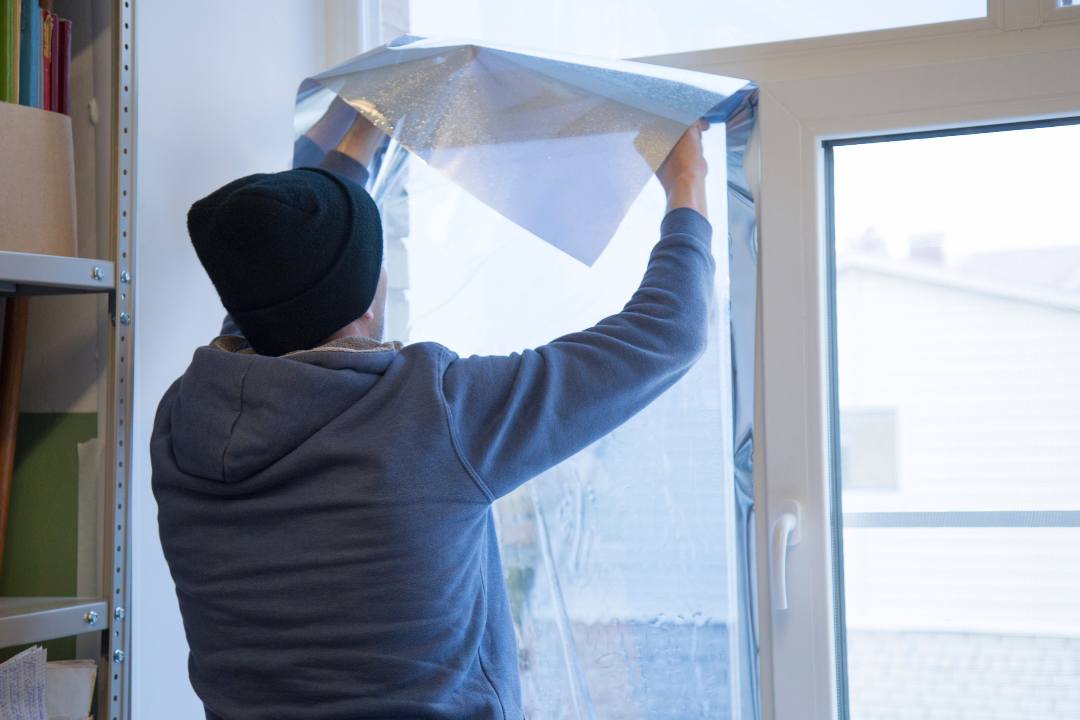
How to Install Window Treatments for a Perfect Finish

Window treatments can completely transform a room, adding warmth, style, and functionality. But achieving that polished, professional look can sometimes be a challenge. The good news? You don’t need to be an interior designer or a contractor to install window treatments for a perfect finish. With the right tools, a bit of planning, and a little patience, you can install your curtains, blinds, or shades in a way that looks flawless.

In this article, we’ll walk you through everything you need to know about how to install window treatments for a perfect finish. From selecting the right types of treatments to step-by-step installation instructions, this guide will help you achieve that picture-perfect look in any room.

Why Proper Installation of Window Treatments Matters

Before we dive into the how-to, let’s talk about why installing window treatments correctly is so important.

1. Aesthetics

When window treatments are installed properly, they instantly enhance the room’s appearance. Misaligned blinds, curtains that hang too low, or hardware that’s not level can detract from the room’s overall design, no matter how beautiful the treatments themselves may be.

2. Functionality

Properly installed window treatments serve a practical purpose: they help control light, provide privacy, and even improve insulation. Poor installation can result in treatments that don’t close properly, leave gaps for light to peek through, or fail to function as intended.

3. Durability

Incorrect installation can also lead to premature wear and tear. For example, if the hardware isn’t securely fastened, your window treatments could sag or even fall over time.

Step-by-Step Guide: How to Install Window Treatments for a Perfect Finish

Whether you’re installing curtains, blinds, or shades, the steps to achieve a perfect finish are fairly similar. Here’s a breakdown of how to get it right.

1. Choose the Right Window Treatments

Before you even pick up a drill, the first step is selecting the right window treatments for your space. Consider the following:

  • Room type: What room are you installing them in? Bedrooms may need blackout curtains for privacy, while living rooms might benefit from sheer curtains or blinds that let in natural light. For a stylish touch, consider exploring options from Gallery Window Fashion to enhance your decor.
  • Style: Are you going for a modern, minimalist look, or are you aiming for something more traditional? The style of window treatment should complement the room’s overall design.
  • Functionality: Do you want treatments that help with light control, insulation, or purely aesthetics? This will determine whether you go for thick curtains, Roman shades, or light-filtering blinds.

2. Gather Your Tools

To install window treatments for a perfect finish, you’ll need a few essential tools:

  • Tape measure
  • Level
  • Pencil
  • Drill with the appropriate bits
  • Screws and anchors (usually included with your window treatment hardware)
  • Ladder or step stool
  • Stud finder (optional, but helpful for heavy treatments)

3. Measure Your Windows

Accurate measurements are key to ensuring your window treatments look great and function properly.

For Curtains:

  • Width: Measure the width of your window, and add at least 4-6 inches on each side to ensure the curtains fully cover the window when closed.
  • Height: To create the illusion of taller windows, hang your curtain rod 4-6 inches above the window frame. For a more dramatic look, hang the rod closer to the ceiling.

For Blinds or Shades:

  • Inside Mount: Measure the inside width and height of the window frame if you want the blinds to fit snugly within the frame.
  • Outside Mount: Measure the outside width of the window frame, adding extra width and height so the blinds or shades fully cover the window.

4. Mark and Drill Pilot Holes

Once you’ve measured and decided where to hang your window treatments, use a pencil to mark where the brackets will go.

  • For Curtains: Use a level to ensure your curtain rod will be straight. Mark where each bracket should go, typically 4-6 inches outside the window frame.
  • For Blinds or Shades: Whether inside or outside mounted, make sure the brackets are level and centered before marking their placement.

After marking, use a drill to make small pilot holes where the screws will go. This helps prevent the screws from splitting the wood or wall.

5. Install the Brackets

Now that your pilot holes are ready, it’s time to install the brackets.

  • For Curtains: Use screws to securely attach the curtain rod brackets to the wall or window frame. Double-check that the brackets are level before tightening the screws.
  • For Blinds or Shades: Attach the brackets based on your markings. Ensure they are secure and level to avoid issues with the blinds hanging crookedly.

6. Hang the Window Treatments

Once the brackets are installed, you can hang your window treatments.

For Curtains:

Slide the curtains onto the rod (if they’re the pocket-style) or attach curtain rings if necessary. Then, place the rod into the brackets and ensure everything looks even and hangs at the right height.

For Blinds or Shades:

Most blinds or shades simply snap into place on the brackets. Double-check that they’re secure and functioning properly before moving on.

7. Finishing Touches

To install window treatments for a perfect finish, the small details matter:

  • Adjust the length: Ensure your curtains just graze the floor or fall in soft folds. Blinds should roll up and down smoothly without catching.
  • Double-check alignment: Step back and make sure everything is level and symmetrical.
  • Tidy up: Hide any hardware or screws that are visible by using covers or decorative elements.

Troubleshooting Common Installation Problems

Even with the best preparation, things can sometimes go wrong. Here are some common issues and how to fix them:

1. Crooked Installations

If your window treatments look crooked, use a level to check the alignment of the brackets. Loosen the screws, adjust the brackets, and tighten them again.

2. Hardware Not Staying in Place

If your screws aren’t gripping the wall properly, you may need to use wall anchors. This is especially important if you’re hanging heavier treatments or if your walls are made of drywall rather than solid wood.

3. Treatments Not Functioning Properly

If your blinds or shades won’t open or close smoothly, check to ensure they’re properly seated in the brackets. Adjust them if needed.

How to Install Window Treatments for a Perfect Finish: Final Thoughts

Learning how to install window treatments for a perfect finish is all about attention to detail. By taking accurate measurements, using the right tools, and ensuring your hardware is securely in place, you can achieve a polished, professional look in any room.

Window treatments can dramatically improve the appearance of your home while adding privacy, light control, and insulation. With this guide, you now have the tools and know-how to install your own window treatments with confidence. So, grab your tape measure, get those brackets up, and enjoy the transformation!

Conclusion

Whether you’re installing luxurious drapes, practical blinds, or stylish shades, learning how to install window treatments for a perfect finish can significantly improve both the aesthetics and functionality of your home. Proper installation not only enhances the appearance but also ensures that your treatments will last longer and perform better. So take your time, follow the steps, and enjoy the satisfaction of a job well done!

How Femme Film Festivals are Promoting Intersectionality in Film

Film has always been a powerful medium for storytelling, offering a window into different cultures, experiences, and perspectives. However, for many years, the stories told through mainstream cinema often came from a limited, mostly male, cisgender, and heteronormative viewpoint. This narrative has been changing, thanks in part to femme film festivals. These festivals are not only giving a platform to women but also focusing on intersectionality in film, highlighting the experiences of those who belong to multiple marginalized communities.

So, what exactly is intersectionality, and how are femme film festivals promoting it in the world of cinema? Let’s dive in.

What is Intersectionality?

Before we explore how femme film festivals are promoting intersectionality in film, it’s essential to understand what intersectionality means. The term was coined by legal scholar Kimberlé Crenshaw in 1989. Intersectionality describes how different forms of discrimination—based on gender, race, class, sexuality, ability, and more—overlap and compound each other. For example, a woman of color may experience both racism and sexism in ways that are inseparable from each other.

In the context of film, intersectionality refers to stories that reflect the complexity of individual identities, showing how various forms of marginalization intersect. Femme film festivals have become a critical space where these multifaceted narratives can be showcased.

The Role of Femme Film Festivals in Promoting Intersectionality

Femme film festivals are dedicated to showcasing films by and about women, often with a strong focus on queer, trans, non-binary, and other underrepresented communities. These festivals have emerged as key platforms in the movement for greater diversity and representation in cinema.

Creating a Space for Marginalized Voices

One of the main ways femme film festivals are promoting intersectionality in film is by creating spaces where marginalized voices can be heard. Festivals like LA Femme prioritize films created by women of color, LGBTQ+ filmmakers, and those with disabilities. By doing so, they are not only giving these creators a platform but also highlighting the interconnected struggles and triumphs of these communities.

Examples of Femme Film Festivals

Here are a few femme film festivals that are leading the charge in promoting intersectionality:

  • Women Make Waves (Taiwan): This festival emphasizes films created by women from diverse ethnic and cultural backgrounds.
  • Cineffable (France): A feminist and lesbian film festival that showcases films addressing gender identity, sexuality, and social issues.
  • Black Femme Supremacy Film Festival (USA): Focuses on films by and about Black women, highlighting the unique experiences of Black femme-identifying individuals.

These festivals are actively creating space for voices that have been historically marginalized, thereby broadening the scope of stories we see on screen.

Broadening the Definition of Femme

Femme film festivals are not only redefining what it means to be a “woman” in film but also expanding the notion of “femme” to include people of all gender identities. This inclusivity allows for a broader representation of experiences, from trans women to non-binary and gender-nonconforming individuals. The films showcased in these festivals often explore themes such as gender identity, fluidity, and non-traditional family structures, presenting a more inclusive view of society.

Diverse Storytelling Through an Intersectional Lens

Another important way femme film festivals are promoting intersectionality in film is by encouraging diverse storytelling. These festivals go beyond merely featuring women-centered stories; they prioritize films that showcase the multiple layers of identity, including race, sexuality, and disability.

Intersectional Themes in Films

Many films featured in femme film festivals tackle complex themes that traditional mainstream cinema often overlooks. Some of these themes include:

  • Gender and Race: Exploring how women of color navigate the world differently due to their racial identity and gender.
  • Queer and Trans Identities: Films that center LGBTQ+ experiences, challenging societal norms around gender and sexuality.
  • Disability and Feminism: Highlighting how disabled women or non-binary individuals experience the world and fight for their rights in a society that often marginalizes them.

By focusing on intersectional themes, these festivals foster a more holistic approach to storytelling, one that reflects the true diversity of human experiences.

The Impact of Femme Film Festivals on the Film Industry

Femme film festivals are not just influencing the independent film scene; they are also impacting the broader film industry. As these festivals grow in popularity, the films they showcase often gain recognition in mainstream platforms, thereby promoting intersectionality on a larger scale.

Encouraging Industry Change

By providing a platform for diverse voices, femme film festivals put pressure on the mainstream film industry to embrace more inclusive and intersectional stories. Many films that premiere at these festivals go on to receive wider distribution, get picked up by streaming platforms, or even earn accolades in larger, more traditional film festivals like Cannes or Sundance.

Examples of Industry Influence

  • “The Watermelon Woman” (1996), directed by Cheryl Dunye, a Black lesbian filmmaker, was one of the first intersectional films to receive significant recognition after screening at multiple feminist and queer film festivals.
  • “Pariah” (2011), directed by Dee Rees, a queer Black woman, gained momentum at femme film festivals before achieving critical acclaim and receiving attention from mainstream outlets.

These success stories highlight how femme film festivals can serve as launching pads for intersectional films, helping to reshape the landscape of cinema.

Challenges and Future Directions

While femme film festivals have made significant strides in promoting intersectionality in film, challenges remain. Many of these festivals operate with limited funding and resources, which can make it difficult to expand their reach. Additionally, there is still resistance within parts of the industry to fully embrace intersectional narratives, especially those that challenge long-standing norms.

Overcoming Financial Barriers

Many femme film festivals rely on community support and grassroots fundraising to keep going. To overcome financial limitations, some festivals have partnered with larger organizations or secured grants that allow them to continue their work and expand their influence.

Expanding Representation

As these festivals continue to grow, there is also a push to further expand representation. This includes not only focusing on gender and race but also incorporating more stories from disabled filmmakers, those from indigenous communities, and other underrepresented groups.

Conclusion

Femme film festivals are doing vital work in promoting intersectionality in film, offering a platform for voices and stories that have long been excluded from mainstream cinema. By championing diverse, intersectional narratives, these festivals are challenging traditional norms and reshaping the way we think about storytelling in film. As these festivals continue to gain momentum, we can hope for a future where cinema truly reflects the diversity and complexity of the human experience.

Why Septic Inspections Are Essential for Homebuyers in Tulsa

When buying a home in Tulsa, there’s a lot to think about—location, price, condition of the property, and more. However, one aspect that often goes overlooked, particularly for rural homes or properties not connected to municipal sewers, is the septic system. If the house you’re considering uses a septic system, it’s crucial to understand the importance of having it inspected before finalizing the purchase.

So, why are septic inspections essential for homebuyers in Tulsa? A well-functioning septic system is vital for the health and safety of your home. Ensuring that the system is in good condition can save you from unexpected expenses, protect your property, and provide peace of mind. Let’s explore why septic inspections should be a non-negotiable step in your homebuying process.

Understanding Septic Systems: What Homebuyers Need to Know

Before diving into the importance of septic inspections, it’s helpful to understand what a septic system does and why it matters for your home.

A septic system is an underground wastewater treatment system used in areas without access to a centralized sewer system. It typically consists of a septic tank and a drain field. Wastewater from your home flows into the septic tank, where solids settle to the bottom, and liquids are filtered through a drain field into the surrounding soil. Over time, the system requires maintenance and occasional pumping to function efficiently. Clearflow Septic Pro offers advanced solutions for maintaining and optimizing your septic system’s performance.

For homebuyers, a properly maintained septic system can be a hidden asset. But without an inspection, you run the risk of inheriting a system that is faulty, aging, or in need of expensive repairs.

Why Septic Inspections Are Essential for Homebuyers in Tulsa

1. Preventing Costly Repairs

One of the primary reasons septic inspections are essential for homebuyers in Tulsa is to prevent unexpected and often expensive repairs after closing on a home. Septic systems, when neglected, can develop major issues such as leaks, clogs, or complete system failures. These problems might not be immediately visible to the untrained eye but can lead to costly repairs down the line.

Hidden Issues That Can Be Detected During an Inspection

  • Cracked or leaking tanks: A septic inspection can reveal whether the tank has any cracks or leaks that could cause waste to leak into your yard or groundwater.
  • Drain field problems: An inspection will check if the drain field is functioning correctly. If it’s clogged or saturated, it could lead to wastewater backups or even a total system replacement.
  • Inadequate system size: The septic system might be too small for the current or expected household size, which can lead to frequent issues like backups or the need for more frequent pumping.

Investing in a septic inspection before you buy can save you thousands of dollars in unexpected repair costs.

2. Ensuring Compliance with Local Regulations

In Tulsa, like many other places, septic systems must comply with local health and safety regulations. An outdated or improperly maintained system may not meet current standards, which can create problems when it comes to closing on a home. If the system isn’t up to code, it could result in delays, additional costs, or legal issues.

A professional septic inspection will assess whether the system complies with local regulations and whether any upgrades are necessary. This way, you’ll know exactly what you’re getting into before making the purchase.

3. Protecting the Environment and Health

An improperly functioning septic system can be more than just a financial headache—it can pose serious environmental and health risks. Leaking or overflowing septic systems can contaminate nearby water sources, including wells, rivers, and lakes, which many Tulsa residents rely on for drinking water.

Additionally, untreated wastewater can create health hazards in your yard, leading to unpleasant odors and dangerous bacteria exposure. A septic inspection helps ensure that the system is operating safely and doesn’t pose a risk to your family or the environment.

4. Providing Negotiating Power

Another key reason septic inspections are essential for homebuyers in Tulsa is that they provide valuable leverage during the homebuying process. If the inspection uncovers issues with the septic system, you may be able to negotiate with the seller to address these problems before closing or reduce the sale price to account for necessary repairs.

In some cases, the seller might not even be aware of the septic system’s condition. A thorough inspection gives you the opportunity to make an informed decision and potentially save money.

What Does a Septic Inspection Include?

Now that we’ve covered why septic inspections are important, you might be wondering what exactly is involved in the process. A septic inspection is a comprehensive checkup of the entire system, from the tank to the drain field.

1. Visual Inspection

The inspector will first conduct a visual inspection of the system, checking for any obvious signs of damage or wear. This includes looking for standing water around the septic area, inspecting the tank lid, and noting any foul odors.

2. Locating and Accessing the Tank

The next step involves locating the septic tank and accessing it for a thorough inspection. This might involve digging to uncover the access lid if it’s buried. Once the tank is opened, the inspector will check the level of waste inside, as this can provide clues about how well the system is functioning.

3. Checking for Leaks and Cracks

The inspector will examine the tank for cracks, leaks, or any signs of structural damage. This step is crucial in determining whether the tank is functioning properly or if repairs are needed.

4. Inspecting the Drain Field

The drain field is where the liquid waste from the septic tank is filtered into the soil. The inspector will assess whether the drain field is working efficiently or if there are any signs of saturation or failure, such as pooling water or foul odors.

5. Pumping the Tank (If Necessary)

In some cases, the inspector may recommend pumping the septic tank if it’s close to capacity or hasn’t been serviced in a long time. Pumping the tank allows for a more detailed inspection and helps ensure that the system continues to function properly after you move in.

How Often Should Septic Inspections Be Done?

For homebuyers, the most important time for a septic inspection is before you finalize your purchase. However, septic systems should be inspected regularly—every 3 to 5 years is the general recommendation. Regular inspections help catch minor issues before they turn into major problems, and ensure that the system continues to function efficiently.

Conclusion

For homebuyers in Tulsa, septic inspections are an essential step in the homebuying process. These inspections not only help prevent costly repairs but also ensure that the system complies with local regulations, protects the environment, and provides peace of mind. Knowing the condition of the septic system before you close on a property can save you from future headaches and unexpected expenses.

Whether you’re buying your first home or upgrading to a new property, don’t overlook the importance of scheduling a septic inspection. By doing so, you’ll be able to make a well-informed decision, avoid potential problems, and ensure that your new home’s septic system is in good working order for years to come.

Why Dressing Gowns are the Latest Trend in Loungewear Fashion

Loungewear has taken center stage in recent years, with more people seeking comfort and practicality in their clothing choices. Among the various loungewear options, dressing gowns have become the latest trend that fashion lovers can’t get enough of. But why dressing gowns are the latest trend in loungewear fashion? It’s not just about comfort; it’s about combining coziness with style, making them a must-have for anyone looking to elevate their at-home wardrobe. Let’s dive into the world of dressing gowns and explore why they’re such a big hit in today’s fashion landscape.

The Rise of Loungewear Fashion

A Shift in Fashion Priorities

The last few years have seen a major shift in fashion priorities. As more people work from home, the demand for comfortable yet stylish clothing has skyrocketed. Loungewear, once considered just “home clothes,” is now seen as a fashionable statement. Dressing gowns, which were once associated with morning rituals or evening relaxation, have now evolved into a versatile piece that can be worn at any time of the day.

Why Dressing Gowns Are the Latest Trend in Loungewear Fashion

So, why are dressing gowns leading the charge in the world of loungewear fashion? The answer lies in their perfect blend of comfort and elegance. Whether you’re lounging on a lazy Sunday morning or working from home, dressing gowns offer a chic alternative to traditional pajamas or sweatpants. Take the quilted dressing gown by Rooh London, for instance—its cozy, versatile design and effortlessly stylish look make it a staple for anyone who values both comfort and fashion.

The Many Styles of Dressing Gowns

Traditional vs. Modern Designs

Dressing gowns have come a long way from the traditional, fluffy robes we associate with spa days. Today, they’re available in a variety of fabrics, patterns, and designs that cater to every style preference.

  • Classic Terrycloth Robes: These are still a go-to for post-shower relaxation, offering warmth and absorbency.
  • Silk and Satin Gowns: For those who want to add a touch of luxury to their loungewear, silk or satin dressing gowns offer a sleek, elegant look.
  • Cotton and Linen: Perfect for warm weather, these lightweight fabrics keep you cool while still looking chic.

Customizable Details

One of the reasons why dressing gowns are the latest trend in loungewear fashion is the wide range of customizable options. From monogramming to choosing specific fabrics and cuts, dressing gowns can be tailored to your exact preferences. This makes them not only a functional piece of clothing but also a fashion statement that reflects your personal style.

Why Dressing Gowns Are Perfect for All Seasons

Year-Round Comfort

Dressing gowns are incredibly versatile when it comes to seasonal wear. Whether it’s the heat of summer or the chill of winter, there’s a gown for every climate.

  • Winter Warmth: During colder months, heavier fabrics like fleece or wool provide the warmth you need without sacrificing style. These gowns often come with hoods and extra-long sleeves to ensure you stay cozy.
  • Summer Breeziness: Lightweight materials like linen or cotton make dressing gowns a great option for warmer weather. They allow your skin to breathe while still providing coverage, making them perfect for lounging in hot temperatures.

Layering for Style

One of the reasons why dressing gowns are the latest trend in loungewear fashion is their layering potential. Pairing a dressing gown with other loungewear items, such as leggings, tanks, or camisoles, allows for endless styling possibilities. Throw on a lightweight dressing gown over your yoga pants, and you’ve got an outfit that’s both casual and fashionable.

The Appeal of Dressing Gowns for Every Occasion

Morning Rituals

The first thing many people do in the morning is slip into a dressing gown. It’s an essential part of morning rituals, allowing you to enjoy your coffee in comfort before diving into the day. The gentle embrace of a soft gown provides a calming way to start the day, setting a relaxed tone from the get-go.

Post-Work Relaxation

After a long day, there’s nothing better than unwinding in a comfortable dressing gown. Whether you’re reading a book, catching up on a TV show, or simply relaxing, dressing gowns offer the perfect balance of comfort and style.

Casual Meetings and Video Calls

Dressing gowns have even found their way into casual work-from-home setups. Need to hop on a quick video call? A sleek, well-tailored dressing gown can double as a chic top when paired with a casual bottom. It’s the perfect example of effortless style, even when you’re working from the comfort of your living room.

Dressing Gowns in Pop Culture

A Symbol of Luxury and Comfort

Dressing gowns have long been associated with luxury and relaxation, thanks in part to their portrayal in pop culture. From classic movies to modern TV shows, dressing gowns are often seen on screen as symbols of wealth and leisure. Celebrities and influencers alike have embraced the trend, sharing photos of themselves lounging in high-end dressing gowns, further fueling their popularity.

Influencers and Fashion Bloggers

One reason why dressing gowns are the latest trend in loungewear fashion is the influence of social media. Fashion influencers and bloggers have made dressing gowns a staple of their loungewear content, showcasing how versatile and stylish they can be. From Instagram photoshoots to YouTube loungewear hauls, dressing gowns are everywhere, inspiring their followers to elevate their at-home fashion game.

How to Choose the Perfect Dressing Gown

Fabric Matters

When selecting a dressing gown, the fabric is key. The material you choose should depend on your needs and preferences.

  • For Comfort: Look for soft, breathable fabrics like cotton or modal. These materials are perfect for all-day wear and won’t leave you feeling too hot or cold.
  • For Luxury: Silk, satin, or velvet are excellent options if you’re looking to add a touch of elegance to your wardrobe.

Fit and Length

Another important factor to consider is the fit and length of your dressing gown. Some people prefer a longer gown that offers full coverage, while others may opt for a shorter, knee-length version. The choice ultimately comes down to what makes you feel most comfortable.

Consider the Details

Don’t forget the small details that can make a big difference! Look for gowns with pockets for extra functionality or those with a stylish belt to cinch at the waist for a more defined look. The little things can elevate your gown from simple loungewear to a fashion-forward piece.

Conclusion: Why Dressing Gowns Are the Latest Trend in Loungewear Fashion

There’s no denying that dressing gowns have secured their place as a key player in the world of loungewear fashion. With their perfect combination of comfort, style, and versatility, it’s easy to see why dressing gowns are the latest trend in loungewear fashion. Whether you’re looking for a cozy option for winter mornings or a lightweight gown for summer evenings, dressing gowns offer endless possibilities. They’re more than just a practical piece of clothing—they’re a statement of relaxation, luxury, and personal style. So, the next time you’re looking to upgrade your loungewear wardrobe, don’t overlook the power of a good dressing gown!

The Art of Connection

Welcome to WordPress! This is a sample post. Edit or delete it to take the first step in your blogging journey. To add more content here, click the small plus icon at the top left corner. There, you will find an existing selection of WordPress blocks and patterns, something to suit your every need for content creation. And don’t forget to check out the List View: click the icon a few spots to the right of the plus icon and you’ll get a tidy, easy-to-view list of the blocks and patterns in your post.

Beyond the Obstacle

Welcome to WordPress! This is a sample post. Edit or delete it to take the first step in your blogging journey. To add more content here, click the small plus icon at the top left corner. There, you will find an existing selection of WordPress blocks and patterns, something to suit your every need for content creation. And don’t forget to check out the List View: click the icon a few spots to the right of the plus icon and you’ll get a tidy, easy-to-view list of the blocks and patterns in your post.

Growth Unlocked

Welcome to WordPress! This is a sample post. Edit or delete it to take the first step in your blogging journey. To add more content here, click the small plus icon at the top left corner. There, you will find an existing selection of WordPress blocks and patterns, something to suit your every need for content creation. And don’t forget to check out the List View: click the icon a few spots to the right of the plus icon and you’ll get a tidy, easy-to-view list of the blocks and patterns in your post.

Collaboration Magic

Welcome to WordPress! This is a sample post. Edit or delete it to take the first step in your blogging journey. To add more content here, click the small plus icon at the top left corner. There, you will find an existing selection of WordPress blocks and patterns, something to suit your every need for content creation. And don’t forget to check out the List View: click the icon a few spots to the right of the plus icon and you’ll get a tidy, easy-to-view list of the blocks and patterns in your post.

Create your own website, free on WordPress.com.Create your own website.
Start free