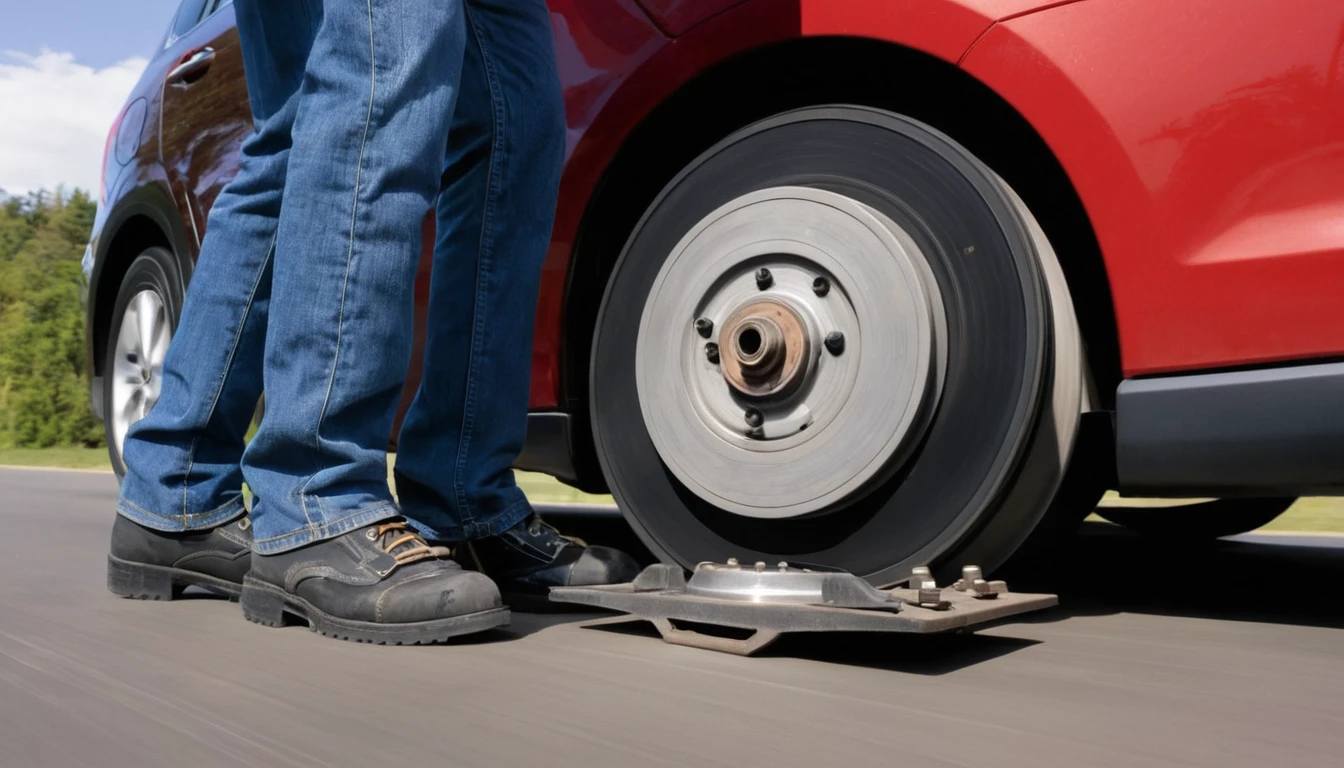
Regular brake checks are a key part of preventive maintenance that keeps your car safe and improves vehicle longevity. Before a long trip, you must know how to assess your brakes and suspension system. Ignoring small issues can lead to expensive repairs or safety risks. This guide explains how to check your brakes, spot warning signs, and ensure your suspension supports a safe and smooth drive.
Why Brake Safety Matters for Long Trips
Your brakes are the heart of your vehicle’s safety system, working tirelessly to control speed, manage stops, and keep you safe on every journey. During long drives or heavy traffic, especially on hilly or uneven roads, your brakes face constant stress and heat buildup. When combined with worn-out pads or neglected maintenance, this can lead to reduced braking efficiency and even sudden failure, a serious risk that can be avoided with timely inspections and expert care from trusted Car Suspension Specialists who understand how brake performance connects directly to your suspension system’s balance and handling.
Performing preventive maintenance on your brakes before long trips reduces the chance of breakdowns. It also protects your car’s suspension and improves overall vehicle longevity.
Signs That Your Brakes May Not Be Safe
You can identify brake issues early by paying attention to how your car feels and sounds. Below are the main warning signs:
Squeaking or Grinding Noises
When brake pads wear down, they create squeaking or grinding sounds. These sounds mean the pads are thin and may damage the rotors if ignored. Replacing worn pads early helps avoid costly rotor replacements.
Vibration in the Brake Pedal
If your brake pedal vibrates when you press it, your rotors may be uneven or warped. This usually happens when brakes overheat. A mechanic can resurface or replace the rotors to fix this issue.
Longer Stopping Distance
If your car takes longer to stop, your brakes may not be working at full strength. This could be due to worn pads, low brake fluid, or air in the brake lines. It is important to have your brakes checked immediately in this case.
Brake Warning Light
The brake warning light on your dashboard indicates a problem in the braking system. It may signal low brake fluid, worn pads, or a system fault. Do not ignore this light; have a technician inspect your brakes as soon as possible.
Car Pulls to One Side
If your car pulls to one side when braking, one brake caliper may be sticking. This causes uneven braking and puts stress on your suspension. Servicing or replacing the affected caliper will correct the problem.
How to Inspect Your Brakes Before a Long Trip
You can perform some basic checks yourself before visiting a mechanic. Here are the key steps:
Check Brake Pads
Look through the wheel spokes to see your brake pads. If the pad material is less than one-quarter inch thick, it is time for a replacement. Worn pads reduce stopping power and can damage other parts of the brake system.
Check Brake Fluid
Open the brake fluid reservoir under the hood and check the fluid level. The fluid should be between the minimum and maximum marks. Low brake fluid can reduce braking performance and may signal a leak. Always use the fluid type recommended in your vehicle manual.
Test Brake Pedal Pressure
Start your car and press the brake pedal. It should feel firm, not soft or spongy. A soft pedal can mean air or moisture in the brake lines. In that case, the system needs to be bled and refilled with fresh fluid.
Look for Leaks
Check under your car for any fluid leaks near the wheels or under the brake master cylinder. Brake fluid leaks are serious and must be fixed before driving long distances.
Listen and Observe
When driving around your neighborhood, pay attention to sounds and how your car responds when you brake. Notice any unusual vibrations, noises, or pulling. These are clear signs that your brakes need attention.
The Role of Preventive Maintenance in Brake Safety
Preventive maintenance helps you identify brake problems early and avoid emergencies. Regular inspections allow you to fix small issues before they turn into major repairs.
Routine Brake Inspections
Have your brakes inspected at least twice a year, or every 10,000 miles. Mechanics can measure pad thickness, check fluid condition, and inspect all components for wear.
Brake Fluid Replacement
Brake fluid attracts moisture over time, reducing its performance. Replace your brake fluid every two years or as recommended by your vehicle manufacturer. This simple step improves braking efficiency and protects internal parts from corrosion.
Replace Pads and Rotors on Time
Worn pads and damaged rotors reduce braking strength. Replace them according to the manufacturer’s maintenance schedule. Using quality parts increases vehicle longevity and ensures consistent braking performance.
How Brakes Affect Vehicle Longevity
Brakes and car suspension work together to maintain control and stability. Worn brakes can put extra strain on your suspension and tires, causing uneven wear and higher maintenance costs.
Suspension Stress
When brakes do not perform well, the suspension absorbs more force during stops. This can damage shocks, struts, and control arms. Keeping your brakes in good condition reduces stress on your suspension and extends its life.
Tire Wear
Uneven braking pressure leads to uneven tire wear. Proper brake balance helps your tires last longer and ensures better grip and handling on the road.
Smooth Driving Experience
A well-maintained braking system supports smoother driving and reduces vibration. This protects your vehicle from unnecessary strain and improves comfort during long trips.
How Suspension Supports Brake Safety
Your car suspension keeps your tires in contact with the road, allowing brakes to work effectively. If your suspension is weak, your car may dip forward or sway when you brake. This reduces braking control and increases stopping distance.
Signs of Suspension Problems
Watch for these signs before a long trip:
- The car bounces after hitting bumps.
- The steering feels loose or unstable.
- The front end dips when braking.
- You notice uneven tire wear.
If you notice these symptoms, have your suspension checked. Replacing worn shocks or struts will improve both comfort and brake safety.
Preventive Maintenance Checklist Before a Long Trip
Before any road trip, complete this simple checklist:
- Inspect brake pads and rotors.
- Check brake fluid level and color.
- Test pedal firmness.
- Listen for brake noises during a short drive.
- Inspect tires for even wear.
- Check suspension components for leaks or damage.
- Top up other fluids, such as engine oil and coolant.
Completing these checks ensures your vehicle is ready for a long journey.
When to Visit a Mechanic
Even if everything seems fine, you should still visit a certified mechanic before a long trip. A professional can test brake pressure, inspect the hydraulic system, and check your suspension alignment. This visit can prevent unexpected problems on the road and increase your vehicle’s reliability.
Final Thoughts
Safe brakes are essential for every long trip. Regular preventive maintenance ensures your braking system works efficiently, protects your suspension, and extends vehicle longevity. By inspecting brake pads, checking fluid levels, and responding quickly to warning signs, you can drive with confidence and safety.
Before you start your next trip, take time to check your brakes and suspension. Simple attention to these details keeps your vehicle strong, smooth, and ready for the road ahead.
 Daily Digest Headlines