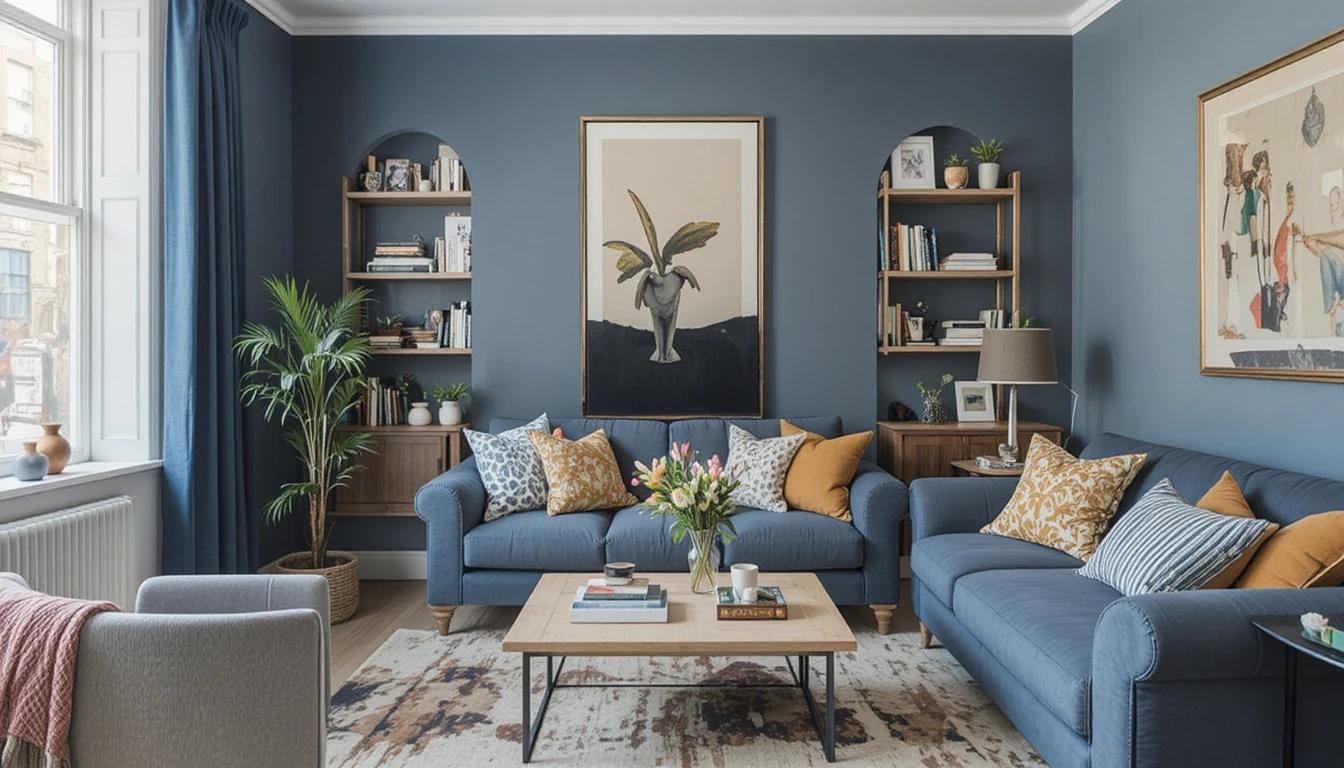
London homes often face limits on housing space due to the dense city layout and the demand for property. Many residents live in flats or compact houses where every metre counts. With effective planning and simple decoration ideas, small space interiors can feel open, practical, and stylish. This guide shares clear strategies that focus on architecture, layout, and decoration. The aim is to help London homes use small space in a smart and functional way.
Understanding Housing Space in London
London housing space is shaped by a blend of old and new architectural styles. Many traditional homes are built with narrow rooms and distinctive layouts, reflecting historical design choices, while modern flats tend to focus on compact but highly efficient living. Space planning plays a vital role in decoration and usability for both types of properties, as the balance between practicality and comfort is always central to urban living.
In recent years, design firms such as dRAW Architecture have influenced the way housing space is reimagined in London. Their approach highlights how thoughtful layouts and creative use of light and materials can transform small spaces into functional and inviting environments. By recognising how architectural design directly affects daily living, residents can better appreciate the importance of clever planning in making the most of limited space.
Planning for Small Space Living
Assess the Layout
The first step in decoration is to study the layout. Identify natural light sources, wall structures, and storage options. A clear view of the layout allows better placement of furniture and decoration.
Prioritise Function
Every item should have a clear purpose. In small space living, decoration should support both function and style. For example, a foldable table can work as both dining and desk space.
Maintain Flow
The flow of movement in a London home is crucial. Avoid blocking paths with large furniture. Keep walkways open to give a sense of more housing space.
Furniture Solutions for London Homes
Multi-Functional Furniture
Choose furniture that serves more than one role. A sofa bed provides seating and sleeping in one piece. Storage ottomans hold items while offering extra seating. These solutions suit the limited housing space in small London homes.
Compact Designs
Select furniture with slim frames and clean lines. Bulky items consume small space and reduce visual openness. Light materials like glass or pale wood enhance the sense of airiness.
Vertical Storage
Architecture in London homes often provides high ceilings. Use vertical space with tall shelving, hanging racks, or wall-mounted cabinets. This keeps the floor area clear while increasing storage.
Decoration Strategies for Small Space
Light Colours
Light shades on walls and floors expand small space visually. White, cream, and soft grey reflect natural light and create brightness in London homes.
Mirrors
Mirrors reflect both light and views. Place mirrors opposite windows to enhance natural light and make the housing space appear larger.
Minimal Decoration
Avoid clutter. Select a few strong decoration elements instead of many small ones. For example, one piece of art on a wall makes a stronger impact than multiple smaller pieces.
Natural Light
Keep windows clear of heavy curtains. Light fabric blinds or simple shutters maintain privacy without blocking light. Natural light is one of the strongest design tools in small London homes.
Architecture and Built-In Features
Using Alcoves
Older London homes often include alcoves. These areas can become shelves, desks, or fitted storage. Architecture provides these opportunities to make housing space more efficient.
Built-In Storage
Built-in units reduce the need for large standalone furniture. Custom shelving, fitted wardrobes, and under-stair drawers use small space effectively.
Open Plan Adjustments
Where possible, combine kitchen, dining, and living areas. Open plan architecture creates flow and reduces barriers. This makes small space interiors in London feel larger.
Style Choices for Small London Homes
Consistent Colour Themes
Keep decoration consistent across rooms. Matching tones give a sense of unity, which expands the feel of housing space.
Simple Patterns
Strong patterns may overwhelm a small space. Use simple lines or soft textures instead. These choices keep decoration subtle but stylish.
Light Materials
Choose light wood, glass, or metal. Heavy materials reduce the openness of small space architecture. Light finishes maintain brightness in London homes.
Maximising Outdoor Links
Balconies and Patios
Even small balconies can extend living space. Use folding furniture or planters to keep the area clear yet functional.
Large Windows and Doors
If architecture allows, install larger windows or glass doors. This creates a visual link between indoor housing space and outdoor areas.
Plants
Plants bring freshness and connect indoor decoration with the outside environment. Hanging pots or vertical plant walls work well in small London homes.
Smart Storage Ideas
Under-Bed Storage
Use drawers or boxes beneath beds for clothing, bedding, or seasonal items. This hidden storage helps keep housing space clear.
Wall Hooks and Rails
Hooks and rails on walls or doors store coats, bags, and kitchen tools. This saves small space that might otherwise be lost.
Floating Shelves
Floating shelves create storage without heavy furniture. These are ideal for books, decor items, or daily essentials.
Practical Tips for Small Space Living
Declutter Regularly
Avoid storing unnecessary items. Small space decoration works best when free from excess. Regular checks maintain balance in London homes.
Flexible Zones
Use rugs or furniture placement to define zones for work, dining, or rest. Flexible layouts allow small space interiors to adapt to daily needs.
Invest in Quality
Choose fewer but better-quality pieces. In small housing space, each item stands out, so strong choices improve both decoration and function.
Conclusion
Small space decoration in London homes depends on smart planning, clear design, and simple solutions. By studying architecture and understanding the limits of housing space, residents can create interiors that feel open and welcoming. Use multi-functional furniture, light decoration, and built-in storage to enhance both style and function. With these strategies, small London homes can become practical, comfortable, and attractive places to live.
 Daily Digest Headlines