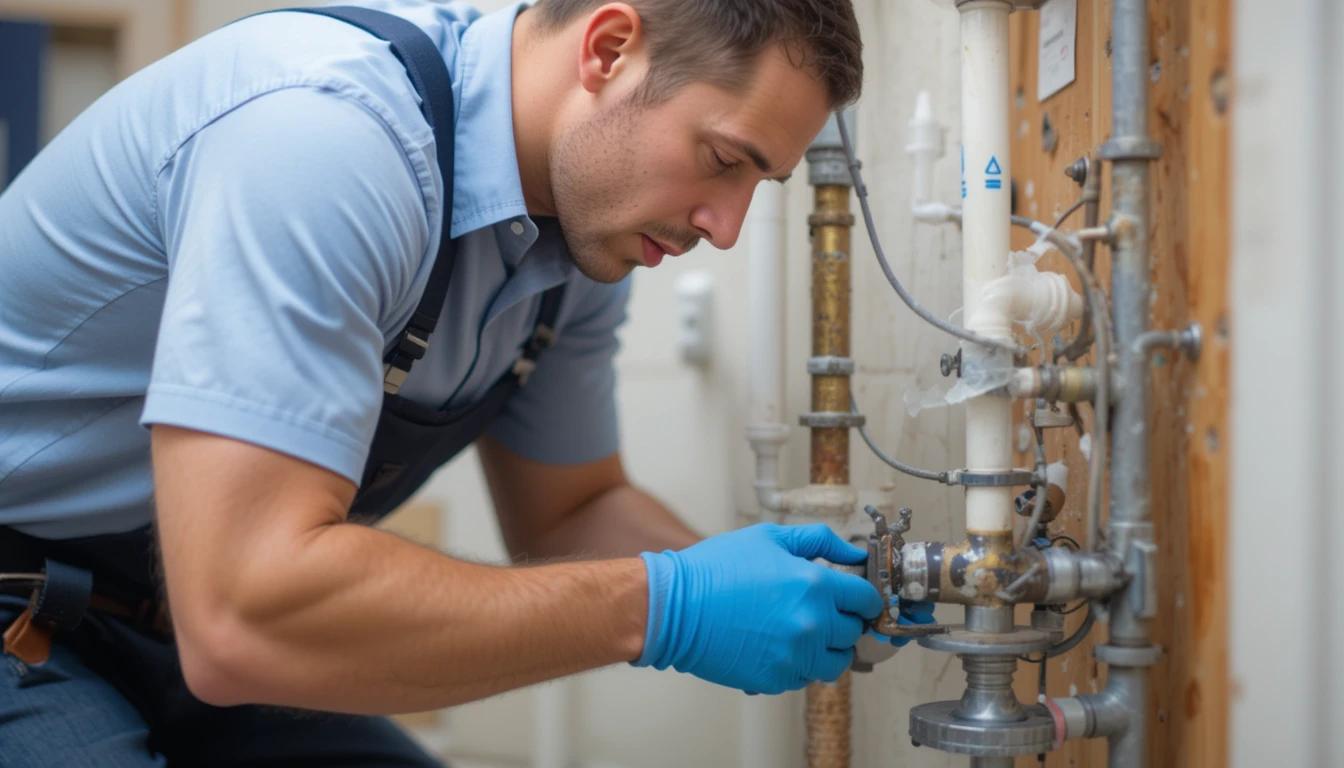
Plumbing leaks in Singapore homes can cause high water bills, property damage, and health risks. Early detection helps reduce repair costs and prevents long-term problems. This article explains how to detect early signs of plumbing leaks. The information suits homeowners, tenants, and landlords in Singapore.
Check for Unusual Water Bills
A sudden increase in your water bill is often the first sign of a leak. If your water usage habits remain the same but your bill rises, there may be a hidden leak. Compare your current bill with past months. If you notice a steady increase, inspect your home for possible leaks.
Look for Damp Spots
Damp spots on walls, ceilings, or floors may suggest plumbing leaks. These spots often appear as discoloured patches, peeling paint, or bubbling surfaces. In Singapore homes, where humidity levels are naturally high, it’s easy to dismiss such signs as normal. However, if the area feels persistently wet, smells musty, or continues to grow in size, it’s a strong indication that plumbing issues may be the root cause. Ignoring these early warning signs can lead to bigger problems like mould, structural damage, or rising repair costs.
For accurate diagnosis and timely repair, it’s best to consult a trusted Plumber Singapore who can assess the situation and offer effective solutions. As a provider of professional plumbing services in Singapore, they have the expertise to detect hidden leaks, repair damaged pipes, and ensure your water systems are functioning properly. Engaging a qualified plumber not only protects your property but also offers peace of mind, especially in areas prone to moisture-related damage.
Monitor Water Pressure
A drop in water pressure can signal a leak in your plumbing system. Leaks reduce the amount of water reaching your taps and showers. If the water pressure suddenly decreases in one or more fixtures, inspect the pipes connected to them. Consistent low pressure in the entire home may mean a larger leak.
Check Water Meter Readings
Your water meter can help confirm a plumbing leak. Turn off all water sources in your home. Check the meter reading. Wait for at least two hours without using any water. Check the meter again. If the reading changes, water is leaking somewhere. This method works well for hidden leaks behind walls or underground.
Listen for Dripping Sounds
Dripping sounds can come from leaking pipes, even if the leak is small. You may hear the drip in quiet rooms, especially at night. Check under sinks, near water heaters, and behind washing machines. Use a flashlight to look at pipe joints and hose connections.
Inspect Kitchen and Bathroom Areas
Leaks often occur in kitchens and bathrooms. Open cabinets under sinks and check for water stains, dampness, or mould. Inspect the base of the toilet for puddles or damp floors. Check the shower area for loose tiles or soft walls. These signs may indicate water seeping behind surfaces.
Examine Exterior Walls
In some Singapore homes, plumbing runs through exterior walls. If you see wet patches or peeling paint on outside walls, the pipes may be leaking. These leaks can cause structural problems if ignored. Check the wall during dry weather to confirm the moisture is not from rain.
Check for Mould and Mildew
Mould and mildew grow in moist environments. If you find mould in places that should stay dry, such as behind furniture or in corners, a leak may be the cause. Musty smells can also signal hidden leaks. Mould grows quickly in Singapore’s humid climate, so early detection is important.
Watch for Stains on Ceilings
Leaks from upstairs bathrooms or water pipes in ceilings can leave stains on the ceiling below. These stains often appear yellow or brown. Over time, the ceiling may sag or crack. If you see new stains, inspect the area above for possible leaks.
Test Toilet for Silent Leaks
Toilets can leak silently. Add a few drops of food colouring into the toilet tank. Wait for 30 minutes without flushing. If the colour appears in the bowl, the toilet is leaking. Silent leaks can waste large amounts of water. Replace worn flapper valves or seals to stop the leak.
Look at Outdoor Areas
Outdoor plumbing can also leak. Check garden taps, hoses, and irrigation systems. Look for wet patches or muddy areas in the soil. If your plants stay wet without rainfall or watering, there may be a leak underground. Outdoor leaks can damage the foundation of your home.
Check Air Conditioning Systems
Some air conditioning units have drainage pipes connected to the plumbing system. If these pipes clog or break, water may leak indoors. Inspect the area around the unit for water stains or puddles. Make sure the drainage pipes are clean and not cracked.
Observe Water Heater Units
Water heaters can leak from the tank or connecting pipes. Check the floor around the unit for wet spots. Listen for hissing sounds, which may suggest a pressure leak. A leaking heater not only wastes water but may also damage nearby flooring.
Understand Common Plumbing Materials in Singapore
Singapore homes use various plumbing materials like copper, PVC, and PEX. Each material has different leak risks. For example, PVC joints may crack over time, while copper pipes can corrode. Knowing your home’s pipe type helps you detect and prevent leaks.
Hire a Professional if Needed
Some leaks are hard to detect without tools or training. If you suspect a leak but cannot find it, contact a licensed plumber in Singapore. Plumbers can use leak detection tools like thermal cameras and acoustic sensors. Early professional help saves money and prevents larger repairs.
Prevent Future Plumbing Leaks
Prevention reduces the chance of plumbing leaks. Follow these tips:
- Check visible pipes and joints every few months
- Replace old hoses on washing machines and dishwashers
- Avoid pouring grease or chemicals down the drain
- Install water pressure regulators if your pressure is too high
- Clean floor traps and drains regularly
Routine checks help you avoid surprise leaks.
Conclusion
Plumbing leaks in Singapore homes can cause costly damage if ignored. Early detection helps prevent problems. Watch for signs such as high water bills, damp spots, low water pressure, mould, and water stains. Use simple methods like water meter checks or food colouring tests. Regular inspections and quick action reduce risk and protect your home. When unsure, seek help from a professional plumber in Singapore. Proper care ensures your plumbing system stays safe and efficient.
 Daily Digest Headlines