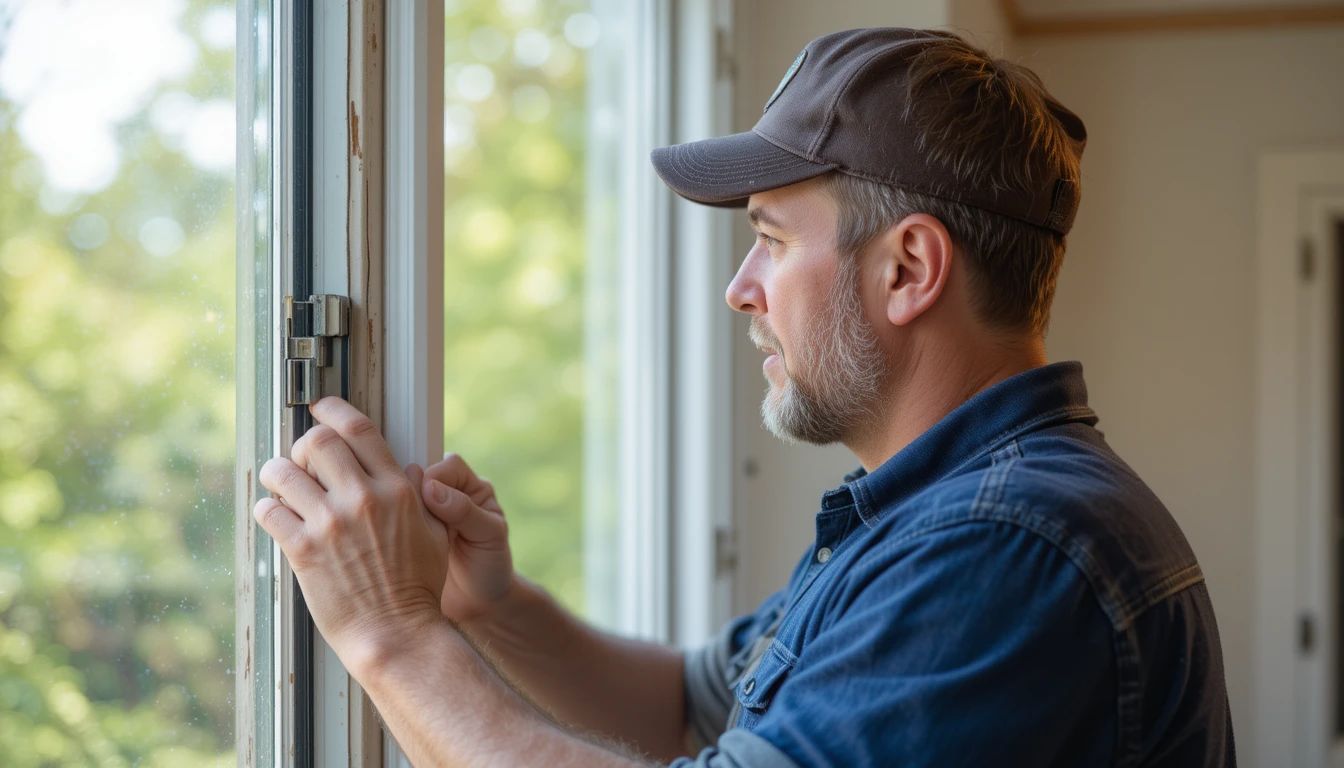
Window hinges play a key role in the function and safety of a window. These small parts allow the window to open and close. When a window hinge breaks, it causes many problems. The window may not close fully. It may let in wind, rain, or noise. In some cases, it may even become a safety risk. This article explains why window hinges break and how to stop it from happening.
Common Causes of Window Hinges Break
Wear and Tear
Window hinges face pressure every day. Opening and closing a window puts stress on the hinges. Over time, this stress leads to metal fatigue. This means the material becomes weak and breaks. This is one of the most common reasons why window hinges break.
Poor Quality Material
Low-quality hinges often break faster. Cheap metal bends or cracks under pressure. If the window uses plastic hinges, they may snap during strong winds or when used roughly. Always check the material of the hinges before buying or installing them.
Improper Installation
If someone installs the window hinges in the wrong way, they will not work well. Poor installation causes the hinges to carry extra weight. This leads to damage over time. Screws that are too loose or tight can also cause the hinge to fail.
Rust and Corrosion
Moisture in the air can cause hinges to rust. When rust forms, the metal becomes weak and breaks. Windows in kitchens, bathrooms, or near the sea often face this issue. Salt and moisture speed up corrosion.
Lack of Maintenance
Like all moving parts, window hinges need cleaning and oiling. If the hinges stay dirty or dry, they will get stuck. Trying to open a stuck window can break the hinge. Dirt can also build up and block smooth movement.
Heavy Window Frames
Heavy window frames put more weight on the hinges. If the hinge is not strong enough to support the frame, it breaks. This often happens with large or thick glass windows. Use strong hinges for heavy windows.
Strong Wind Pressure
Open windows that face strong wind can get slammed shut. This sudden force can break the hinges. In windy areas, this is a common reason why window hinges break. Use friction stays or restrictors to avoid this issue.
How to Prevent Window Hinges Break
Use High-Quality Hinges
Always choose hinges made from strong materials like stainless steel. These high-quality hinges last longer, resist rust, and withstand daily wear and tear. While cheaper plastic or low-grade metal hinges may seem like a bargain, they often lead to more problems in the long run. Investing in durable materials reduces the need for frequent replacements and unexpected repair costs.
When wear and tear do occur, especially in older homes or humid environments, fixing broken window hinges becomes essential to maintain functionality and security. Damaged hinges can cause windows to jam, misalign, or even pose safety risks. Timely repairs ensure smooth operation and prevent further structural damage to the window frame. Addressing these small issues early on extends the life of your windows and helps maintain the comfort and efficiency of your home.
Hire Skilled Installers
Make sure a skilled person installs the window hinges. They will align the parts correctly. They will also use the right screws and tools. Good installation helps the window function well and keeps the hinges safe.
Lubricate the Hinges
Apply oil to the hinges every six months. This helps the parts move smoothly. It also stops rust and noise. Use light machine oil or a spray made for hinges. Do not use thick grease, as it attracts dust.
Clean Hinges Often
Dust, dirt, and spider webs can block the hinges. Clean them using a dry cloth or soft brush. Avoid using water, especially if the hinges are not rust-proof. Keeping them clean helps them last longer.
Inspect for Damage
Check the hinges often. Look for cracks, loose screws, or rust. Early action helps stop bigger problems. If you see rust, clean it with a rust remover. If screws are loose, tighten them. Replace any damaged parts quickly.
Use the Window Gently
Do not slam the window. Open and close it gently. Teach children to handle windows with care. Rough use can damage the hinges quickly. Gently used windows often have hinges that last for years.
Add Wind Restrictors
Install wind restrictors or friction stays. These tools stop the window from opening too wide. They also stop sudden movements caused by wind. This protects the hinges and the frame.
Choose the Right Hinge Type
Different windows need different hinges. For example, top-hung windows need hinges that support weight from below. Side-hung windows need hinges that hold sideways pressure. Use the right type to avoid stress on the hinge.
When to Replace Window Hinges
You should replace window hinges when:
- The window does not close fully
- The hinge makes noise while moving
- You see rust, cracks, or broken parts
- The window moves unevenly or gets stuck
Do not wait too long to replace a broken hinge. Delays can damage the window frame or glass. A damaged window is also less safe and less energy-efficient.
How to Choose the Right Window Hinges
Match Size and Weight
Check the size and weight of the window. Choose hinges that support that size and weight. The product details usually show the weight limit. Follow the limit to avoid breakage.
Pick the Right Finish
Choose hinges with a finish that resists rust. Chrome, stainless steel, or powder-coated finishes work well. These finishes protect the hinge from water and air damage.
Check Hinge Type
Match the hinge type to the window style. Casement windows, awning windows, and tilt-and-turn windows all need specific hinge types. Using the wrong type will reduce performance and lifespan.
Conclusion
Window hinges break due to wear, poor material, rust, or bad installation. To stop this, use strong materials, install them well, and care for them often. Clean, oil, and inspect the hinges regularly. Use gentle force when opening and closing windows. Choose the right hinge type and size for your window. If the hinges are already damaged, replace them at once. This keeps the window safe and working well.
By following these steps, you can stop your window hinges from breaking. You can also extend the life of your windows. Proper care saves time and money in the long run.
 Daily Digest Headlines