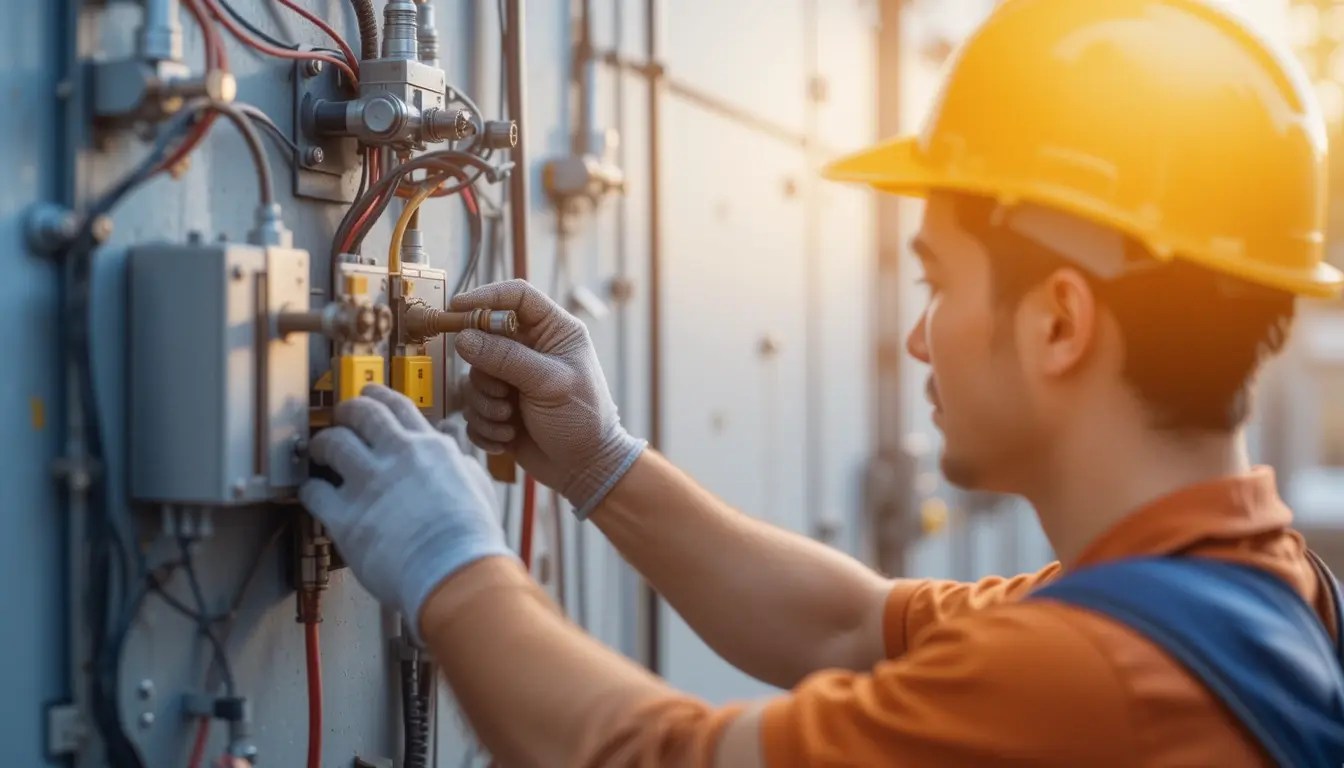
Electrical safety is important for every home in Singapore. Faulty wiring, overloaded circuits, and improper appliance use can cause fires or electric shocks. Homeowners must follow safety measures to protect their families and property.
Singapore has strict electrical regulations to ensure safe installations. Homeowners should hire licensed electricians for repairs and maintenance. Understanding basic safety tips can help prevent accidents and improve household safety.
1. Proper Use of Electrical Appliances
Avoid Overloading Power Sockets
Plugging too many devices into one socket can cause overheating. This may lead to electrical fires or equipment damage. Use power strips with surge protection and avoid connecting multiple high-power devices to a single outlet.
Check the power rating of each device before plugging it in. If the socket feels warm or has a burning smell, unplug the devices immediately. Replace damaged sockets or call a professional electrician for an inspection.
Unplug Unused Appliances
Leaving appliances plugged in when not in use can waste energy and increase the risk of short circuits. Always unplug small kitchen appliances, chargers, and entertainment devices when they are not needed.
Some appliances, like refrigerators and air conditioners, must stay plugged in. However, ensure they are connected to a properly rated power outlet to avoid overloading the circuit.
2. Safe Handling of Electrical Cords and Wires
Use Cords in Good Condition
Frayed, cracked, or exposed wires can cause electric shocks and fires. Regularly inspect power cords and replace damaged ones. Avoid taping broken wires as a temporary fix. Instead, buy a new cord or contact an electrician for repairs.
Do not run extension cords under carpets or furniture. Covered cords can overheat and cause fires. Keep cords untangled and away from sharp objects to prevent damage.
Avoid Using Extension Cords as a Permanent Solution
Extension cords are useful for temporary connections but should not replace permanent wiring. Using multiple extension cords can overload circuits and increase fire risks.
If extra outlets are needed, install additional power points with the help of a licensed electrician. This ensures safe and stable electricity distribution in the home.
3. Electrical Panel and Circuit Breaker Maintenance
Know the Location of the Circuit Breaker
Every home has a circuit breaker that controls electricity supply. Homeowners should know where it is located and how to turn it off during emergencies.
If a breaker trips frequently, it may indicate an overloaded circuit or faulty wiring. Do not reset it repeatedly without identifying the cause. Contact an electrician for an inspection if necessary.
Schedule Regular Electrical Inspections
Electrical systems should be checked every few years to ensure safety. A professional inspection can detect hidden issues such as loose wiring, outdated circuits, or faulty grounding.
Regular maintenance reduces the risk of electrical failures and improves system efficiency. Always hire a certified electrician for these inspections.
4. Safe Use of Lighting Fixtures
Choose the Correct Bulb Wattage
Using bulbs with higher wattage than recommended can cause fixtures to overheat. This increases the risk of electrical fires. Always check the manufacturer’s label for the correct wattage.
LED bulbs are a safer option as they produce less heat and consume less energy. They also last longer, reducing the need for frequent replacements.
Keep Light Fixtures Away from Flammable Materials
Lamps and light bulbs should not be placed near curtains, paper, or other flammable materials. Overheating bulbs can ignite nearby objects, leading to fires.
Ensure that lampshades and covers are properly installed. This prevents direct contact with heat-sensitive materials and improves lighting safety.
5. Water and Electricity Safety
Keep Electrical Devices Away from Water
Water is a good conductor of electricity. Electrical appliances and outlets should be kept dry to prevent short circuits and electric shocks.
Never use electrical devices with wet hands. Wipe up spills near electrical outlets immediately. If an appliance falls into water, unplug it before attempting to retrieve it.
Install Ground Fault Circuit Interrupters (GFCIs)
GFCIs help prevent electric shocks by cutting power when a fault is detected. They are essential in bathrooms, kitchens, and outdoor areas where water exposure is high.
Test GFCI outlets regularly to ensure they function properly. If an outlet does not reset, call an electrician for repairs.
6. Outdoor Electrical Safety
Protect Outdoor Outlets from Rain
Outdoor electrical outlets should have weatherproof covers to prevent water damage. Exposed outlets can cause short circuits, leading to fire hazards.
When using outdoor extension cords, choose those designed for outdoor use. Indoor cords may not be able to withstand weather conditions, leading to potential safety issues.
Be Careful with Overhead Power Lines
If working near overhead power lines, maintain a safe distance. Touching or coming close to live wires can result in severe electric shocks.
Before trimming trees or installing outdoor equipment, check for power lines. If work near power lines is necessary, hire a licensed professional.
7. Childproofing Electrical Outlets
Use Outlet Covers
Children may insert objects into electrical sockets, increasing the risk of electric shock. Installing outlet covers can prevent accidents.
Choose covers that fit securely and cannot be easily removed by children. These covers provide a simple yet effective way to improve safety.
Keep Cords and Devices Out of Reach
Dangling cords can attract children and pose tripping hazards. Keep cords out of reach and store unused electrical items properly.
If possible, rearrange furniture to block access to outlets. This adds an extra layer of safety in homes with young children.
8. Signs of Electrical Problems
Flickering Lights or Burning Smell
Frequent flickering lights may indicate loose wiring or voltage fluctuations. A burning smell near outlets or switches suggests overheating or damaged wires.
If any of these signs appear, turn off power to the affected area and call an electrician. Ignoring these warning signs can lead to serious electrical hazards.
Sparks or Frequent Power Trips
Sparks when plugging in devices or frequent power trips signal electrical issues. These may result from faulty wiring, overloaded circuits, or outdated electrical panels.
Do not attempt DIY repairs. Contact a qualified electrician to assess and fix the problem safely.
9. Importance of Hiring a Licensed Electrician
Avoid DIY Electrical Repairs
Electrical work requires proper knowledge, skills, and the right tools to ensure safety and efficiency. Attempting DIY electrical repairs without experience can lead to costly mistakes, electrical hazards, and even serious injuries. Faulty wiring, overloaded circuits, or improper installations can increase the risk of fires and electrocution. To prevent these dangers, it’s always best to rely on trained professionals who understand the complexities of electrical systems and can perform repairs and installations safely.
Hiring a qualified Electrician Singapore ensures that all electrical work complies with local safety regulations and meets industry standards. Licensed electricians are equipped to handle a wide range of tasks, from simple wiring repairs to full electrical system upgrades. They conduct thorough inspections to identify potential issues and implement solutions that enhance both safety and energy efficiency. By choosing a certified electrician, homeowners and businesses can avoid electrical hazards while ensuring a reliable and long-lasting power supply.
Regular Maintenance Saves Costs
Scheduled maintenance helps detect problems before they become serious. Fixing minor issues early prevents expensive repairs and potential hazards.
Homeowners should keep records of past electrical work. This helps track system health and plan future maintenance efficiently.
Conclusion
Electrical safety in homes requires proper appliance use, regular maintenance, and professional inspections. Homeowners must check wiring, avoid overloading sockets, and keep electrical devices dry. Simple precautions can prevent fires, electric shocks, and system failures.
Hiring a licensed electrician ensures safe installations and repairs. Regular checks improve electrical efficiency and reduce long-term costs. By following these tips, homeowners in Singapore can create a safer living environment.
 Daily Digest Headlines