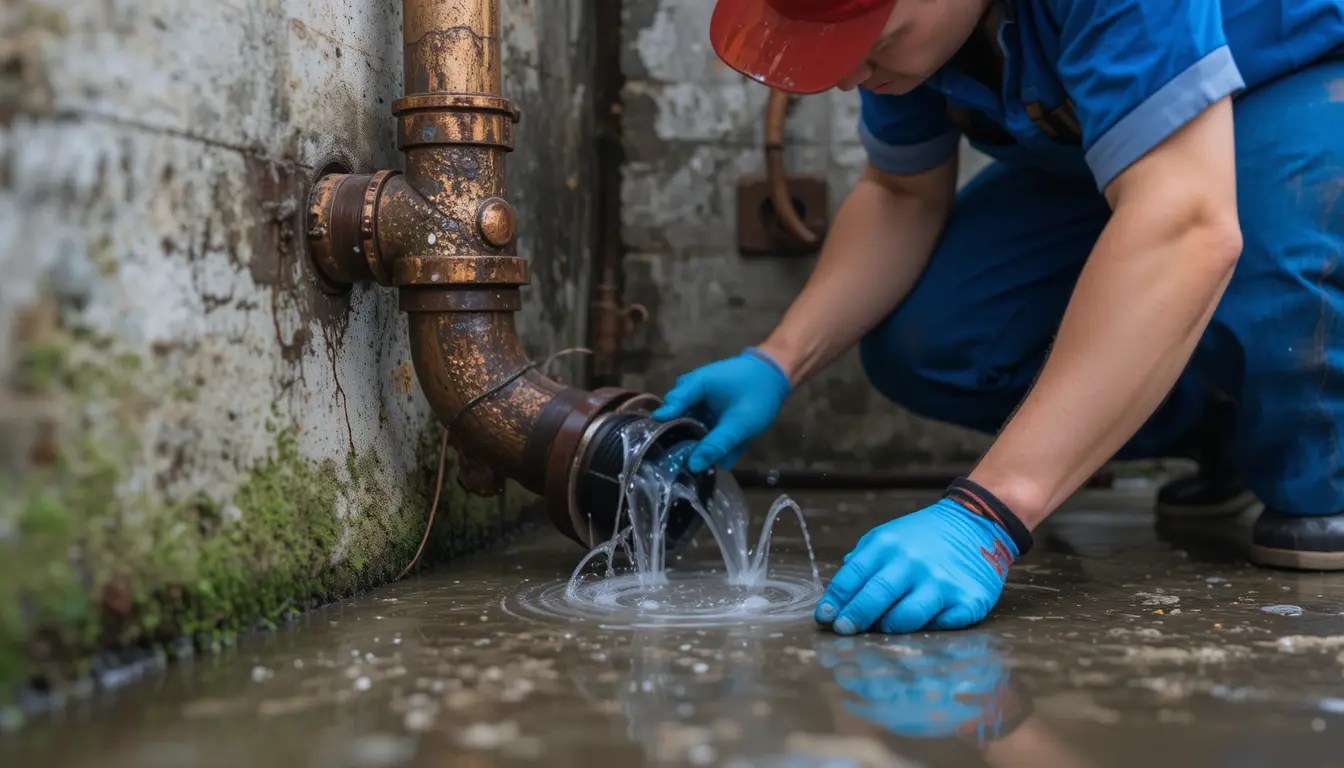
A drain choke is a common plumbing issue in Singaporean homes due to food waste, grease buildup, hair, and foreign objects clogging drainage systems. When left unchecked, clogged drains can lead to water overflow, causing indoor flooding, structural damage, and even health hazards due to mold and bacteria growth.
Given Singapore’s frequent heavy rainfall and high humidity, keeping drainage systems clear is crucial for homeowners. Drain choke repair not only restores proper water flow but also prevents potential disasters like flooding. In this guide, we’ll explore how clogged drains contribute to household flooding, why timely repairs are essential, and the best preventive measures to maintain a healthy drainage system.
1. Understanding Drain Chokes and Their Impact
What Causes Drain Chokes?
Drain chokes occur when debris accumulates in pipes, blocking the smooth flow of water. Common culprits include:
- Food waste and grease – Kitchen sinks often get clogged when fats, oils, and food scraps build up inside the pipes.
- Hair and soap residue – Bathroom drains frequently get blocked due to hair clumps and soap scum forming solid blockages.
- Foreign objects – Items like cotton swabs, wet wipes, and sanitary products can obstruct pipes when flushed down toilets.
- Tree roots and sediment – Outdoor drainage systems can suffer from root intrusion and sediment accumulation, causing serious blockages.
How Clogged Drains Lead to Flooding
When a drain is blocked, water has nowhere to go, leading to slow drainage, overflowing sinks, and eventually, indoor flooding. In severe cases, water may back up from floor traps and toilets, spreading wastewater into living spaces. This can cause:
- Damage to flooring and walls – Prolonged exposure to water weakens structures, causing cracks, peeling paint, and mold growth.
- Electrical hazards – Flooding near electrical outlets or appliances can increase the risk of short circuits and fires.
- Unpleasant odors and health risks – Stagnant water encourages bacterial growth, leading to foul smells and potential health issues.
2. The Role of Drain Choke Repair in Preventing Flooding
How Professional Drain Choke Repair Works
Licensed plumbers in Singapore use various methods to clear chokes and restore drainage systems. These include:
- High-pressure water jetting – A powerful water jet is used to break down and flush out stubborn clogs.
- Drain snaking – A flexible auger is inserted into the pipe to dislodge hair, grease, and debris.
- Chemical treatments – Safe and eco-friendly drain cleaners help dissolve organic matter without damaging pipes.
- CCTV drain inspection – A camera is used to detect severe blockages or structural damage inside pipes.
Timely drain choke repair ensures that water flows freely, preventing backups and reducing the risk of flooding.
Why Immediate Action is Important
Ignoring minor drainage issues can lead to major problems. A slow-draining sink or gurgling sound in pipes may seem harmless at first, but these are early warning signs of a choke forming. Addressing the issue early prevents:
- Complete pipe blockages that can cause overflowing drains.
- Water seeping into walls and floors, leading to structural damage.
- Increased repair costs due to severe plumbing failures.
Homeowners should seek professional drain choke repair at the first sign of trouble to avoid costly flooding damage.
3. How Drain Choke Repair Helps Singapore’s Public Drainage System
The Connection Between Home Drains and Public Sewers
Each home’s drainage system is linked to Singapore’s public sewer network, which carries wastewater to treatment plants. Over time, debris, grease, and other waste can accumulate in household drains, leading to blockages. When household drains are clogged, water flow slows down, increasing pressure on public pipelines, which can result in severe plumbing issues if not addressed promptly.
To prevent such problems, regular drain cleaning services Singapore are essential. Professional cleaning helps remove stubborn clogs, preventing foul odors, pipe corrosion, and potential water damage. Whether it’s a minor blockage or a major drainage issue, timely maintenance ensures a smooth and efficient plumbing system, reducing the risk of costly repairs in the long run.
Severe blockages can cause:
- Overflowing manholes – Water backing up into streets and sidewalks, increasing flood risks.
- Sewage backups – Dirty water returning to homes due to blockages in main sewer lines.
- Increased public maintenance costs – The need for frequent cleaning and repairs to the public drainage network.
By maintaining clear household drains, homeowners contribute to a more efficient and problem-free public sewer system.
Reducing Water Pollution and Environmental Impact
Blocked drains often contain food waste, grease, and chemicals that can leak into natural water sources if not properly managed. Ensuring free-flowing drains helps:
- Prevent water contamination in nearby rivers and reservoirs.
- Reduce pest infestations, as stagnant water attracts mosquitoes and rodents.
- Support Singapore’s sustainability goals by minimizing unnecessary waste and energy use in drainage maintenance.
4. Preventive Measures to Avoid Drain Chokes
Simple Home Maintenance Tips
Homeowners can take proactive steps to prevent drain chokes and reduce the risk of flooding:
- Use drain strainers – Prevent food, hair, and debris from entering pipes.
- Dispose of grease properly – Pour used oil into a container instead of washing it down the sink.
- Flush drains with hot water weekly – Helps dissolve soap scum and minor buildups.
- Avoid flushing non-degradable items – Sanitary products, wet wipes, and cotton balls should go in the trash, not the toilet.
Regular Plumbing Inspections
Scheduling a professional drain check-up every 6-12 months ensures that potential issues are detected early. Plumbers can use specialized equipment to remove minor buildups before they become full blockages. Regular inspections help:
- Identify slow-draining pipes before they cause flooding.
- Extend the lifespan of plumbing systems by preventing excessive wear and tear.
- Save homeowners money on emergency plumbing repairs.
5. Emergency Response to Drain Chokes and Flooding
What to Do When a Drain Choke Causes Flooding
If a clogged drain leads to water overflow, homeowners should act quickly to minimize damage:
- Turn off the water supply – Stop additional water from entering the pipes.
- Use towels or a mop to soak up excess water and prevent it from spreading.
- Check for nearby electrical outlets – If water reaches power sources, turn off the electricity.
- Attempt basic unclogging methods – A plunger or drain snake may help remove small blockages.
- Call a licensed plumber for professional drain choke repair.
Why DIY Methods May Not Always Work
While some minor chokes can be resolved with household tools, serious blockages require professional attention. Improper use of drain cleaners or excessive force can damage pipes, leading to leaks or burst plumbing. Professional plumbers use specialized equipment to safely and effectively remove blockages without harming the drainage system.
Conclusion
Drain choke repair is essential for preventing household flooding and maintaining a healthy drainage system in Singapore homes. Blocked drains can lead to serious water damage, electrical hazards, and increased maintenance costs if left unresolved.
By taking preventive measures such as regular drain maintenance, using proper waste disposal methods, and seeking timely professional repairs, homeowners can protect their properties from costly flood-related damages. Keeping drains clear not only ensures a smooth water flow within homes but also contributes to Singapore’s efficient public drainage system, reducing the risk of larger-scale urban flooding.
If you notice slow drainage, water backups, or unusual gurgling noises, don’t wait until it’s too late schedule a professional drain choke repair today to keep your home safe and flood-free.
 Daily Digest Headlines