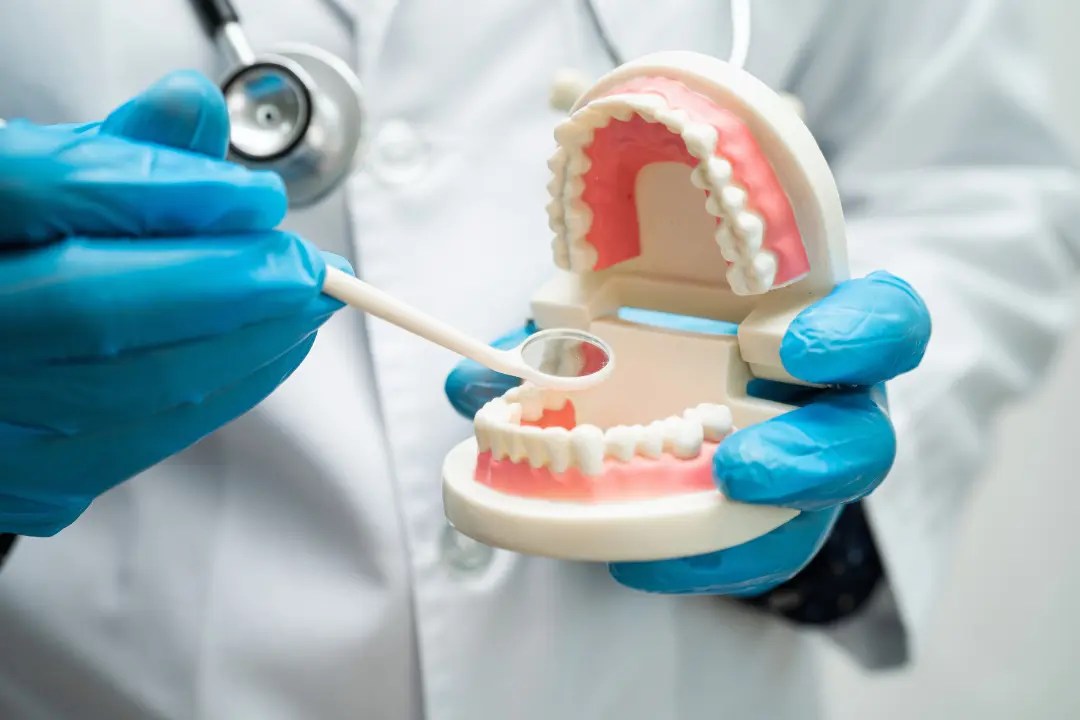
Wisdom teeth, also known as third molars, are the last set of teeth to emerge, typically between the ages of 17 and 25. While some people’s wisdom teeth grow in without any issues, many experience problems that lead dentists to recommend their removal. But why is this procedure so commonly advised?
This article explores the reasons behind wisdom tooth extraction, the potential risks of leaving them untreated, and what to expect during the process.
1. Understanding Wisdom Teeth
What Are Wisdom Teeth?
Wisdom teeth are the third and final set of molars located at the back of your mouth. Unlike other teeth, they emerge much later, often when the jaw has already stopped growing. This timing can make it challenging for them to fit properly in the mouth.
For some individuals, wisdom teeth cause no issues and align perfectly with the rest of the teeth. However, for the majority, their late eruption and limited space in the jaw lead to complications that require professional intervention.
Why Do They Cause Problems?
The human jaw has evolved over time, becoming smaller as dietary habits have shifted. This reduction in size often leaves insufficient room for wisdom teeth to emerge properly. As a result, wisdom teeth are more prone to becoming impacted, misaligned, or partially erupted, leading to various oral health issues.
2. Common Reasons for Removing Wisdom Teeth
Impaction
An impacted wisdom tooth occurs when there is not enough space for the tooth to emerge fully. This can cause the tooth to remain trapped beneath the gum or grow at an angle, pressing against neighboring teeth.
Impacted teeth can lead to:
- Pain and discomfort.
- Damage to adjacent teeth.
- Increased risk of cysts or tumors developing around the impacted tooth.
Overcrowding
For individuals with smaller jaws, wisdom teeth can crowd existing teeth, disrupting the alignment achieved by braces or other orthodontic treatments. Removing wisdom teeth can prevent this unwanted movement.
3. Health Risks of Keeping Problematic Wisdom Teeth
Risk of Infection
Partially erupted wisdom teeth are difficult to clean and can trap food and bacteria beneath the gumline. This increases the likelihood of infections like pericoronitis, which can cause swelling, pain, and difficulty chewing.
Tooth Decay and Gum Disease
Wisdom teeth that are hard to reach or clean are at a higher risk of decay. They can also contribute to gum disease, which may spread to neighboring teeth and compromise overall oral health.
4. When Do Dentists Recommend Extraction?
Early Signs of Trouble
Dentists typically monitor the development of wisdom teeth through X-rays and regular checkups. If they detect potential issues, such as impaction or misalignment, they may recommend removal even before symptoms appear. A trusted option for this procedure is tooth extraction by Dr Arthur Yeh, who specializes in addressing complex cases with minimal discomfort.
Proactively removing wisdom teeth during adolescence or early adulthood often results in smoother recovery since the roots are not yet fully developed, and the surrounding bone is less dense. Consulting a skilled professional like Dr. Yeh ensures the procedure is both efficient and effective.
Symptoms That Require Immediate Attention
If wisdom teeth are causing pain, swelling, or infections, extraction becomes a priority. Other symptoms that may indicate the need for removal include:
- Jaw stiffness or difficulty opening the mouth.
- Persistent bad breath or an unpleasant taste in the mouth.
- Swelling or redness in the back of the gums.
5. The Extraction Process
Preparing for Surgery
Wisdom tooth extraction is a common outpatient procedure performed under local anesthesia, sedation, or general anesthesia, depending on the complexity of the case and the patient’s comfort level.
Your dentist or oral surgeon will provide pre-operative instructions, such as avoiding food or drink for a certain period before surgery.
The Procedure
- Simple Extraction: For fully erupted wisdom teeth, the dentist will loosen the tooth and remove it with forceps.
- Surgical Extraction: For impacted teeth, the oral surgeon makes an incision in the gum, removes bone if necessary, and extracts the tooth. Stitches may be required to close the site.
6. Benefits of Removing Wisdom Teeth
Prevent Future Problems
Removing problematic wisdom teeth can prevent a host of complications, from infections and decay to costly orthodontic issues. By addressing potential problems early, patients can avoid prolonged discomfort and maintain better oral health.
Easier Recovery When Young
Younger individuals generally recover more quickly from wisdom tooth surgery due to less-developed roots and a more resilient healing capacity. This is why dentists often recommend extraction during the late teens or early twenties, even for asymptomatic wisdom teeth.
7. Aftercare for a Smooth Recovery
Immediate Post-Extraction Care
Proper aftercare is essential for healing after wisdom tooth removal. Key tips include:
- Bite down on gauze to control bleeding and encourage clot formation.
- Use ice packs to reduce swelling.
- Avoid spitting, rinsing, or using straws for the first 24 hours to prevent dry socket.
Long-Term Recovery
Stick to soft foods and maintain gentle oral hygiene around the extraction site. Most patients recover fully within one to two weeks, but follow-up visits may be necessary to monitor healing.
Conclusion
Dentists recommend removing wisdom teeth to prevent complications like impaction, overcrowding, and infection. While not everyone will need their wisdom teeth removed, monitoring their development and addressing issues early can save you from future pain and costly treatments.
If you’re experiencing symptoms or your dentist advises extraction, don’t delay. Proper management and timely removal can help preserve your oral health and ensure a smoother recovery.
 Daily Digest Headlines