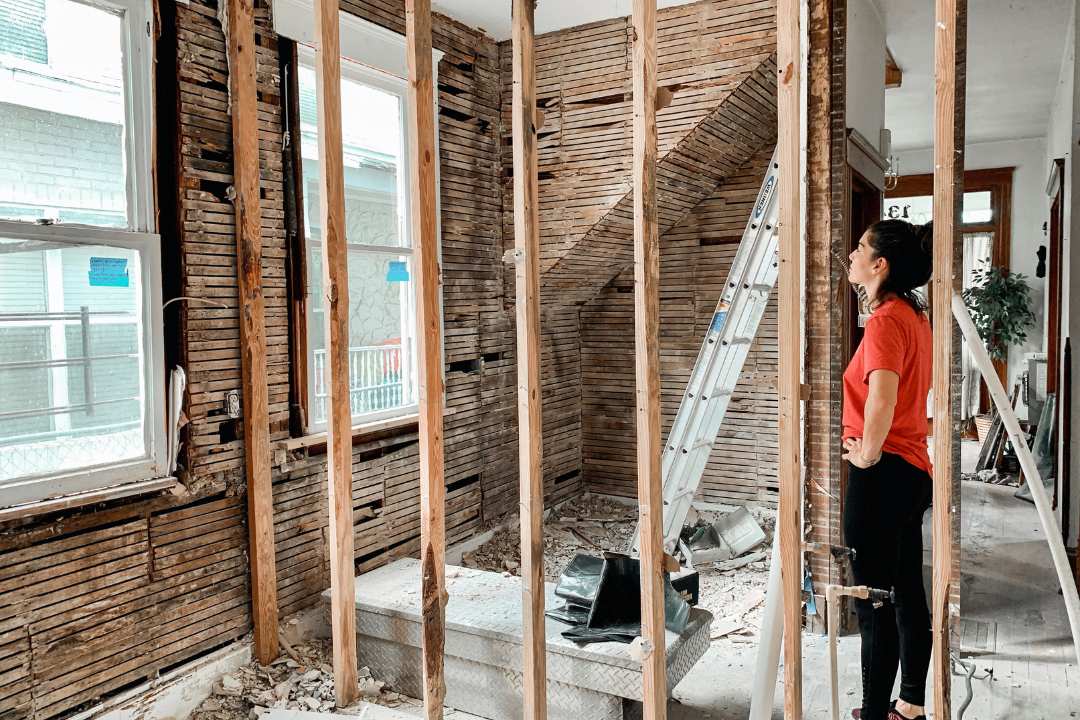
Undertaking a major home repair project is a significant commitment for any homeowner, especially in a fast-paced city like Singapore. Whether you’re dealing with essential repairs such as plumbing or electrical work, or planning a full-scale renovation, the preparation process is crucial to ensure the project is completed smoothly and efficiently. Proper planning can help avoid unexpected costs, delays, and complications.
In Singapore, where space is limited and regulations are strict, preparing for a major home repair project requires a meticulous approach. From understanding the scope of work to hiring the right contractors and navigating local regulations, every step is vital to ensuring that your home is repaired or renovated to your satisfaction. This article will guide you through the essential steps to effectively prepare for such a project in Singapore.
1. Determine the Scope of the Project
Identify Key Issues
The first step before starting any major repair project is to assess the problem thoroughly. Depending on the nature of the issue, whether it’s structural damage, plumbing failure, or electrical problems, you need to understand the extent of the repairs required. For example, if there is significant water damage, you may need to assess not just the visible areas, but also behind the walls or under the floorboards to determine if mould or other hidden issues are present.
Once the issues are identified, it’s a good idea to consult a professional. A qualified contractor or specialist can provide a more accurate diagnosis and suggest the most effective solutions. Getting a professional evaluation will also help you avoid unnecessary repairs or complications down the line.
Prioritize Repairs
When facing multiple issues, it’s essential to prioritize the repairs. For instance, plumbing or electrical issues that can cause flooding or fires should take precedence over cosmetic upgrades like repainting or re-tiling. Make a list of repairs based on urgency, safety, and the long-term impact they’ll have on your home. This will help you allocate your budget effectively and ensure that the most crucial repairs are tackled first.
In some cases, delaying non-urgent repairs may be necessary if they don’t threaten the safety or structural integrity of your home. However, it’s always wise to keep track of any minor issues that could worsen over time, leading to bigger, more expensive problems..
2. Set a Realistic Budget
Estimate Costs
Setting a budget is one of the most important aspects of any home repair project. The cost of repairs can vary significantly depending on the scale of the project, the materials used, and whether you need to hire specialized professionals. Start by getting multiple quotes from contractors in Singapore. It’s important to compare these quotes to ensure you’re getting a fair price for the quality of work you expect. If you’re looking for a trusted Local Service to help with your home repair project, consider reaching out to professionals who can provide detailed estimates and high-quality workmanship.
When estimating costs, remember to factor in both materials and labor. Some repairs, especially structural or plumbing work, may require expensive materials, while others may be less costly. If you have an idea of the materials you want to use, such as specific tiles, plumbing fixtures, or finishes, make sure to get an accurate price range to avoid surprises.
Include a Contingency Fund
Home repairs often come with hidden costs that may not be apparent until the work begins. This could be due to unforeseen complications or the discovery of additional issues that need attention. To avoid financial stress, it’s advisable to set aside a contingency fund when planning your budget.
A good rule of thumb is to allocate about 10-20% of your total budget for unforeseen expenses. For example, if your total estimated cost is $10,000, set aside an additional $1,000 to $2,000 for unexpected costs. This cushion will allow you to address issues without having to halt or delay the project.
3. Hire Qualified Contractors
Research and Shortlist Contractors
Hiring the right contractors is crucial to the success of your home repair project. Start by asking for recommendations from friends, family, or neighbors who have undergone similar repairs. Personal referrals can often lead to reliable and trustworthy contractors. Additionally, you can research online platforms like Qanvast, Houzz, or local directories to find reputable contractors with good reviews and portfolios of their past work.
When shortlisting contractors, pay attention to their experience with specific types of repairs. Some may specialize in electrical work or plumbing, while others may focus on structural repairs or renovations. Ensure that the contractor you choose has experience handling the specific repairs your home requires.
Verify Credentials
It’s essential to verify the credentials of any contractor you’re considering for your home repair project. Ensure that they are licensed and registered with the Building and Construction Authority (BCA) in Singapore. The BCA is responsible for regulating the construction industry, and a licensed contractor will ensure that the repairs are done in compliance with building codes and safety standards.
In addition to verifying licensing, request references from previous clients. Reputable contractors should have no problem providing you with contact information for past customers who can vouch for their quality of work, professionalism, and reliability. Checking references gives you confidence that the contractor can deliver on their promises.
4. Understand Local Regulations and Permits
Check Building Codes
In Singapore, building codes and regulations must be adhered to when carrying out any major home repairs or renovations. The Building and Construction Authority (BCA) sets out guidelines that must be followed to ensure safety and compliance. Depending on the type of repair or renovation, you may need approval from the BCA to proceed with the work.
For example, structural changes such as knocking down walls or adding extensions to your home require approval. Even smaller repairs, like electrical work or plumbing, may require permits or inspections. Understanding these regulations beforehand will help you avoid fines or delays in your project.
Obtain Permits
Some major home repairs may require specific permits from local authorities. For instance, if you’re planning to renovate your kitchen, install a new electrical system, or change plumbing lines, you may need to apply for a renovation permit. This is especially important for HDB residents, as HDB has specific guidelines regarding permitted works in flats.
Your contractor should be familiar with the permitting process and can assist you in obtaining the necessary permits. It’s important to ensure all required permits are secured before the start of the project, as unauthorized work can result in legal consequences and additional costs.
5. Plan for Disruption and Inconvenience
Communicate with Family and Neighbors
A major home repair project can disrupt your daily routine, so it’s important to plan and communicate with those who may be affected. If you live with family members, inform them about the timeline of the project and any changes to normal living conditions. For instance, if certain areas of the house are off-limits due to construction, make sure everyone is aware.
If the work involves noisy activities, such as demolition or construction, inform your neighbors in advance. This is especially important for those living in HDB flats, where noise restrictions apply. By notifying neighbors, you can reduce the likelihood of complaints and foster goodwill within your community.
Prepare for Temporary Living Arrangements
For large-scale repairs, such as plumbing work or extensive renovations, you may need to temporarily relocate or adjust your living arrangements. If the work area is inaccessible or unsafe, consider staying with family or friends or renting temporary accommodation nearby.
Additionally, if you’re staying in the home during repairs, set up a temporary living area that’s unaffected by the work. If the kitchen is being renovated, for example, prepare a space for cooking or eating, such as a small kitchenette or dining area. This will help maintain some level of comfort and convenience during the project.
6. Monitor the Progress of the Project
Stay in Regular Contact with Your Contractor
Once the project begins, staying in close communication with your contractor is essential. Regular check-ins will help ensure that the work is progressing according to plan and that any issues are addressed promptly.
Ask for daily or weekly updates, depending on the scope of the project, and feel free to inspect the work yourself. If you notice any discrepancies or concerns, raise them with the contractor immediately to avoid delays or misunderstandings. A proactive approach will help you stay on top of the project and ensure it stays on schedule.
Conduct Final Inspections
Once the work is completed, conduct a thorough inspection to make sure everything has been completed as agreed upon. Check for any cosmetic issues, such as paint touch-ups, or functional problems, such as plumbing leaks or electrical malfunctions.
If you find any issues, discuss them with your contractor and request that they be addressed. Ensure that all aspects of the project meet your expectations before making the final payment. A final inspection ensures that your home is fully repaired and that you’re satisfied with the quality of work.
Conclusion
Preparing for a major home repair project in Singapore requires detailed planning, budgeting, and understanding of local regulations. By following these steps, you can ensure that your home repair project runs smoothly, stays within budget, and complies with all necessary permits and codes. Proper preparation will minimize disruptions, reduce costs, and leave you with a home that is safe, functional, and beautifully restored.
 Daily Digest Headlines