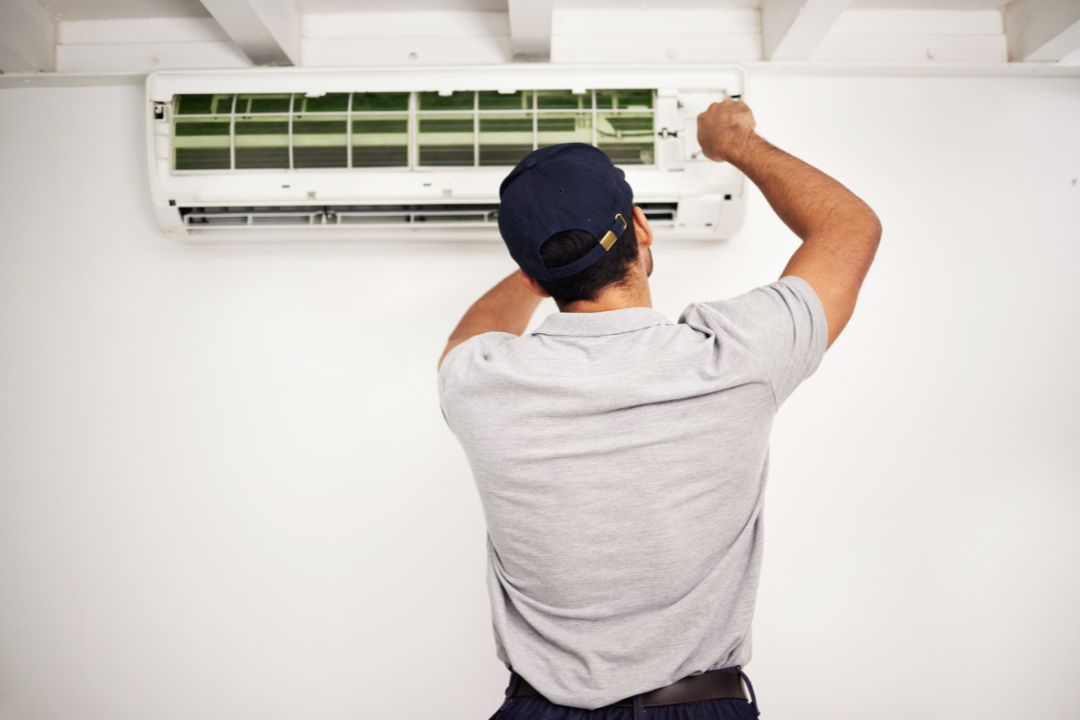
Singapore’s tropical climate necessitates the use of air conditioning for a comfortable indoor environment. Window air conditioners are a popular choice because of their affordability and ease of installation. However, to ensure that your unit functions optimally and doesn’t unnecessarily inflate your electricity bills, it’s crucial to maintain and use it efficiently.
An inefficient window aircon can lead to higher energy costs, inconsistent cooling, and a shorter operational lifespan. In this comprehensive guide, we’ll explore practical tips to help you maximize the efficiency of your window air conditioner, ensuring it delivers effective cooling while keeping energy consumption in check.
Regular Maintenance is Essential
Clean or Replace Filters
Filters are critical to the proper functioning of your air conditioner, as they trap dust, dirt, and allergens. Over time, clogged filters obstruct airflow, forcing the aircon to work harder and consume more energy.
To maintain efficiency, clean the filters every two to three months. For dusty environments or during heavy usage periods, consider cleaning them monthly. Simply remove the filter, wash it gently with warm, soapy water, and allow it to dry completely before reinstalling. If your filter shows signs of wear, replace it promptly to maintain performance.
By regularly cleaning or replacing filters, you not only boost energy efficiency but also improve indoor air quality. Clean filters help maintain consistent airflow, allowing your window aircon to cool the room effectively and with less strain on its components.
Inspect and Clean Coils
The evaporator and condenser coils are essential for the cooling process, as they facilitate heat transfer. Dirty coils hinder this process, reducing cooling efficiency and increasing energy consumption.
Inspect the coils every six months for dust or grime buildup. Use a soft brush or vacuum cleaner to gently clean them. For deep cleaning, professional servicing may be required. Ensuring clean coils improves the aircon’s cooling capacity and extends its lifespan. Regular coil maintenance also helps prevent overheating and reduces wear and tear on the unit.
Optimize the Installation
Proper Placement
The placement of your window aircon directly affects its efficiency. Installing the unit in a location that is shaded from direct sunlight helps reduce the workload on the compressor, leading to energy savings. If shading isn’t possible, consider using an external cover to block sunlight.
Additionally, ensure that the aircon has ample space for ventilation on all sides. Proper airflow around the unit is critical for its operation. Avoid placing the unit near heat sources or in enclosed spaces that can trap heat, as this can reduce its cooling performance.
Seal Gaps
Gaps around the aircon unit can lead to air leaks, making it harder for the aircon to maintain a consistent temperature. Use foam or weatherstripping to seal any gaps around the unit. This keeps cool air inside and prevents warm air from entering the room, reducing energy consumption.
A well-sealed aircon installation not only enhances efficiency but also minimizes the strain on the unit. Proper insulation ensures that the aircon doesn’t have to run continuously, which can help reduce wear and tear.
Use Energy-Saving Practices
Adjust the Thermostat
Setting your aircon’s thermostat to a moderate temperature, such as 25°C, can significantly reduce energy consumption. Lowering the temperature setting too much forces the unit to work harder, increasing electricity usage without providing noticeable comfort benefits.
Using a programmable thermostat or a smart aircon controller can help automate temperature adjustments based on your schedule. This prevents unnecessary energy use when the room is unoccupied, further improving efficiency.
Utilize Timers and Energy-Saving Modes
Modern window aircons often come equipped with features like timers and energy-saving modes. Setting the timer ensures the unit runs only when needed, such as during the hottest parts of the day or just before bedtime.
Energy-saving modes optimize compressor and fan speeds to maintain a comfortable temperature with minimal power usage. Regularly using these features can lead to significant energy savings over time.
Enhance Airflow and Insulation
Use Ceiling Fans
Pairing your aircon with a ceiling fan can greatly improve cooling efficiency. The fan circulates cool air throughout the room, allowing the aircon to maintain a consistent temperature with less effort.
By creating a wind-chill effect, ceiling fans make the room feel cooler, enabling you to set your aircon’s thermostat to a slightly higher temperature without compromising comfort. This simple adjustment reduces energy consumption while maintaining a pleasant indoor environment.
Improve Insulation
Proper insulation helps retain the cool air generated by your aircon. Install blackout curtains or reflective window films to block out heat from the sun. These measures reduce the load on your aircon, allowing it to cool the room more efficiently.
Sealing any gaps in doors and windows is equally important. Use weatherstripping or door sweeps to prevent cool air from escaping and warm air from entering. Improving insulation is a cost-effective way to maximize your aircon’s efficiency and maintain a consistently cool indoor environment.
Monitor and Address Performance Issues
Check for Refrigerant Levels
Low refrigerant levels can severely affect your aircon’s cooling ability and efficiency. If your unit isn’t cooling effectively despite proper maintenance, it may be time to check the refrigerant levels.
Have a professional technician inspect and refill the refrigerant if needed. Regular monitoring ensures your aircon operates at peak efficiency and prevents potential damage to the compressor.
Listen for Unusual Noises
Strange noises, such as rattling, hissing, or buzzing, can indicate internal issues with your aircon. These could stem from loose parts, dirt buildup, or refrigerant leaks.
Address these problems promptly to prevent further damage. Regularly inspecting and servicing your aircon ensures smooth operation and avoids costly repairs in the long run.
Schedule Professional Servicing
Benefits of Professional Maintenance
While regular DIY maintenance is important, professional servicing provides a thorough inspection and cleaning of your aircon. Trained technicians can access hard-to-reach areas, ensuring all components are in optimal condition.
Professional maintenance includes checking for refrigerant leaks, cleaning evaporator and condenser coils, and inspecting electrical connections. These services enhance your aircon’s performance, reduce energy consumption, and extend its lifespan.
Frequency of Servicing
In Singapore’s tropical climate, where temperatures soar and humidity remains high, regular air conditioning maintenance is essential for comfort and efficiency. Scheduling professional servicing at least once or twice a year ensures your aircon is prepared to handle heavy usage during the hottest months. Routine maintenance not only improves cooling performance but also extends the lifespan of your unit by preventing wear and tear.
One trusted option for maintaining your cooling systems is LS aircon servicing, which specializes in professional aircon care tailored to Singapore’s unique climate challenges. Their team ensures that every aspect of your aircon, from cleaning filters to checking refrigerant levels, is handled with precision. Regular servicing with experts like LS aircon servicing can also help identify and resolve minor issues before they escalate into costly repairs, saving you money in the long run.
Investing in professional aircon servicing contributes to better energy efficiency, ensuring your unit consumes less electricity while delivering optimal cooling. Whether it’s preparing your aircon for heavy usage or conducting preventive maintenance, choosing a reliable service provider ensures your comfort throughout the year.
Consider Upgrading Older Units
Benefits of Modern Aircons
Older aircon models are often less efficient and consume more electricity. Upgrading to a modern window aircon with inverter technology or high Energy Efficiency Ratio (EER) can provide significant energy savings.
Newer models often include advanced features like smart controls, sleep modes, and energy-saving settings. These innovations not only enhance convenience but also reduce operational costs over time.
Look for Energy-Saving Features
When purchasing a new aircon, prioritize units with energy-saving certifications and eco-friendly designs. Investing in a high-efficiency model is a smart choice for reducing your environmental footprint while enjoying improved cooling performance.
Conclusion
Maximizing the efficiency of your window aircon in Singapore involves a combination of regular maintenance, smart usage, and effective installation practices. By keeping filters and coils clean, sealing gaps, and optimizing thermostat settings, you can ensure your aircon operates at its best.
Incorporating professional servicing and upgrading to modern energy-efficient models when necessary will further enhance performance and longevity. With these tips, you can enjoy consistent, cost-effective cooling in Singapore’s challenging climate while reducing your energy footprint.
 Daily Digest Headlines