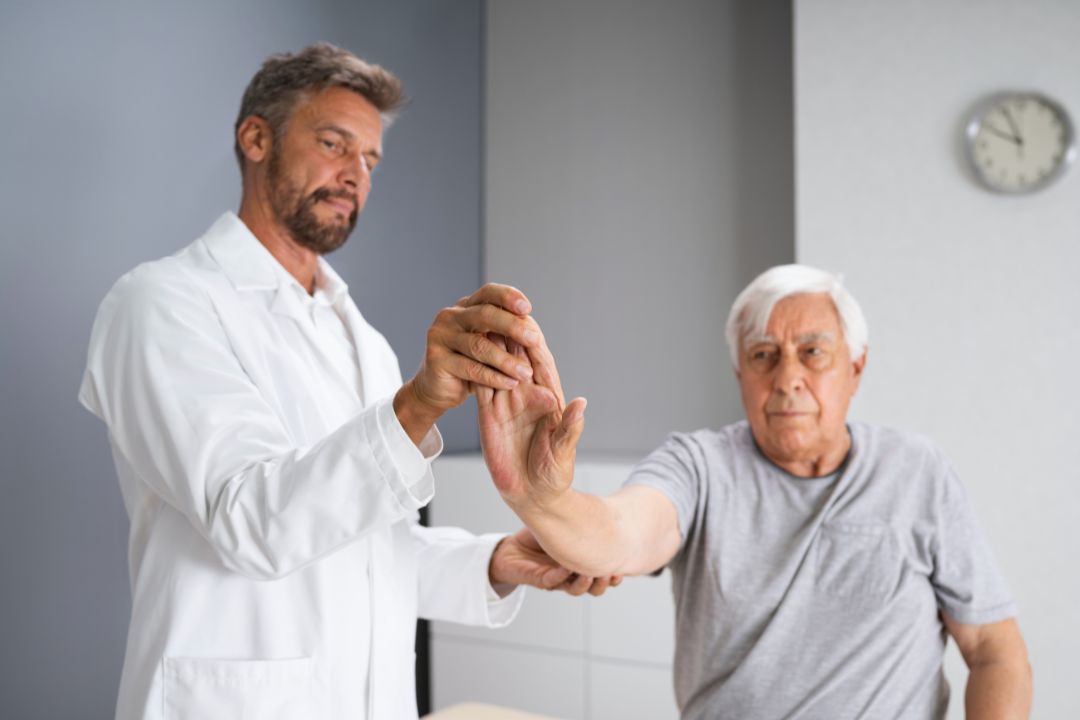
Physical therapy rehabilitation is a cornerstone of modern healthcare, providing individuals with a path to recovery after injuries, surgeries, or chronic conditions. It is a highly personalized and scientific approach that combines therapeutic exercises, manual techniques, and advanced technologies to restore physical function and improve quality of life. Whether you’re an athlete recovering from a sports injury or an individual managing chronic pain, physical rehab therapy can significantly enhance your recovery journey.
This process goes beyond simply treating symptoms. It focuses on addressing the root causes of physical limitations, teaching preventive measures, and helping individuals regain independence in their daily lives. In this article, we’ll explore what physical therapy rehabilitation is, how it works, and why it’s such a critical part of healthcare today.
What Is Physical Therapy Rehabilitation?
Physical therapy rehabilitation refers to the structured process of restoring physical abilities after an injury, surgery, or health condition that impacts movement and function. It is conducted by licensed physical therapists who assess the individual’s needs and create a customized plan to achieve specific recovery goals. This therapy helps patients regain strength, flexibility, and mobility, and it often plays a critical role in pain management.
Unlike generalized fitness programs, physical therapy rehabilitation is targeted and scientific. It focuses on healing damaged tissues, correcting imbalances, and building resilience to prevent future injuries. From recovering after a knee surgery to managing chronic conditions like arthritis, physical rehab is a versatile and effective tool in healthcare.
The Key Goals of Physical Therapy Rehabilitation
1. Reducing Pain and Inflammation
Pain and inflammation are natural responses to injuries and surgeries, but they can hinder recovery if left unaddressed. Physical therapy rehabilitation employs techniques and tools to reduce these symptoms effectively. Therapists use manual therapy, ice and heat applications, and innovative modalities like electrical stimulation to manage discomfort.
Managing pain allows patients to participate actively in their rehabilitation program, ensuring steady progress. Additionally, reducing inflammation promotes faster healing by improving circulation and reducing stress on injured tissues. These approaches help lay the foundation for rebuilding strength and mobility.
2. Restoring Mobility and Strength
One of the most critical goals of physical therapy rehabilitation is restoring mobility and strength. Injuries or surgeries can lead to muscle weakness and joint stiffness, significantly impacting daily activities. For individuals recovering from such conditions, orthopaedic rehabilitation by Revive Rehab Physiotherapy provides a tailored approach that focuses on enhancing mobility and rebuilding strength.
Physical therapists at Revive Rehab design personalized exercise programs to address these issues, gradually increasing intensity as the patient improves. Stretching routines and strengthening exercises work hand-in-hand to enhance flexibility and stability. This comprehensive method not only restores physical function but also boosts confidence, allowing individuals to regain their independence. By the end of their rehabilitation journey, many patients can perform activities they once thought were impossible.
How Does Physical Therapy Rehabilitation Work?
1. Initial Assessment
The rehabilitation process begins with an in-depth initial assessment. During this stage, the physical therapist gathers information about the patient’s medical history, current condition, and personal recovery goals. This evaluation often includes tests to assess strength, flexibility, range of motion, and pain levels.
This step is crucial for understanding the patient’s specific needs. For instance, an athlete recovering from a torn ligament will require a different approach than someone managing post-surgical recovery. By thoroughly evaluating the patient, therapists can design a targeted plan that maximizes results.
2. Developing a Treatment Plan
Once the assessment is complete, the physical therapist creates a detailed treatment plan tailored to the individual. This plan includes a combination of therapeutic exercises, manual techniques, and advanced modalities like ultrasound or electrical stimulation. Each element of the plan serves a specific purpose, from reducing pain to rebuilding strength and improving coordination.
The treatment plan also sets measurable milestones to track progress. Patients and therapists work collaboratively to ensure these goals are met, making adjustments as necessary to accommodate changes in the patient’s condition or capabilities.
Techniques Used in Physical Therapy Rehabilitation
Manual Therapy
Manual therapy is a hands-on approach that includes techniques like massage, joint mobilization, and soft tissue manipulation. These methods aim to reduce tension, improve blood flow, and enhance the range of motion. For instance, a massage can relieve muscle knots, while joint mobilization can restore movement in a stiff joint.
Manual therapy is particularly effective for soft tissue injuries and conditions that limit mobility. It provides immediate relief from discomfort while setting the stage for more active forms of rehabilitation, such as therapeutic exercises.
Therapeutic Exercises
Exercises are a cornerstone of physical therapy rehabilitation. These are customized to address the patient’s specific challenges, whether it’s rebuilding muscle strength, improving flexibility, or enhancing balance. Strength training exercises often include resistance bands or weights, while stretching routines focus on lengthening tight muscles.
Balance and coordination drills are especially beneficial for older adults or individuals recovering from neurological conditions. These exercises help patients regain stability and reduce the risk of falls, promoting long-term independence.
Modalities and Advanced Therapies
In addition to manual therapy and exercises, therapists may incorporate advanced modalities to accelerate recovery. Electrical stimulation can activate dormant muscles, while ultrasound therapy promotes tissue healing through sound waves. Cryotherapy and heat therapy are also commonly used to manage pain and inflammation effectively.
These techniques complement other aspects of rehabilitation, offering a well-rounded approach to healing. By combining traditional methods with advanced technologies, therapists can address multiple aspects of recovery simultaneously.
The Role of Physical Therapy in Recovery
Recovery from Injuries
Physical therapy is a critical component of recovery for individuals with injuries like fractures, sprains, or ligament tears. It helps patients regain mobility, rebuild strength, and restore function to the affected area. For example, someone recovering from a shoulder injury may work on exercises to improve range of motion and strengthen surrounding muscles.
Rehabilitation also focuses on preventing complications such as stiffness or muscle atrophy. By addressing these issues early, therapists ensure that patients can return to their daily activities or sports without limitations.
Post-Surgical Rehabilitation
After surgery, physical therapy rehabilitation plays a vital role in ensuring proper healing and regaining function. Post-surgical rehab often involves gradual progressions in activity levels, starting with gentle exercises and advancing to more challenging movements.
Therapists also educate patients on how to avoid putting excessive stress on the surgical site, reducing the risk of complications. Whether it’s knee replacement surgery or a spinal procedure, physical rehab provides the structured support needed for a successful recovery.
Benefits of Physical Therapy Rehabilitation
Pain Relief Without Medication
One of the standout benefits of physical therapy is its ability to relieve pain without the need for medications. Techniques like manual therapy, stretching, and electrical stimulation target the root causes of pain, offering sustainable relief.
Improved Mobility and Functionality
Rehabilitation helps patients regain the ability to perform daily tasks and enjoy activities they love. By improving strength, flexibility, and coordination, it restores independence and enhances overall quality of life.
Challenges in Physical Therapy Rehabilitation
Consistency Is Key
Recovery requires dedication to attending therapy sessions and performing prescribed exercises at home. Missing sessions or neglecting routines can delay progress and lead to frustration.
Mental Resilience
Rehabilitation can be physically demanding and mentally exhausting. Staying motivated and patient throughout the process is crucial for achieving the best outcomes.
Tips for Getting the Most Out of Physical Therapy
- Set Clear Goals: Define what you want to achieve with your therapist’s guidance.
- Stay Committed: Regularly attend sessions and follow home exercise plans.
- Communicate Openly: Share concerns and progress to ensure your plan is effective.
- Celebrate Milestones: Recognize your achievements to stay motivated.
Conclusion
Physical therapy rehabilitation is a transformative process that restores strength, mobility, and independence. By combining personalized treatment plans, advanced techniques, and the expertise of trained professionals, it helps individuals overcome physical challenges and regain control over their lives. Whether you’re recovering from an injury, surgery, or managing a chronic condition, physical rehab offers a path to recovery and a better quality of life. With commitment and collaboration, it’s possible to achieve remarkable results and embrace a healthier, more active future.
 Daily Digest Headlines