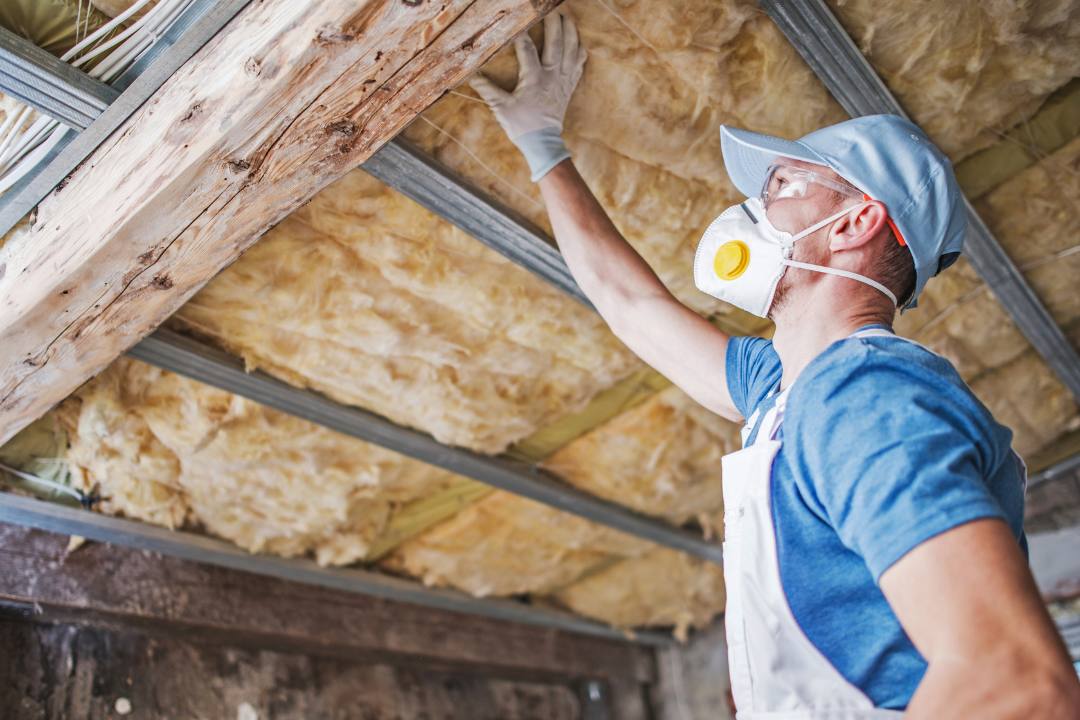
Keeping your home warm in the winter and cool in the summer can be tricky without proper insulation. One of the most critical factors in maintaining energy efficiency and minimizing heat loss is understanding the importance of R-value insulation. The R-value measures the ability of insulation to resist heat flow, and the higher the R-value, the better it is at preventing heat from escaping your home. In this article, we’ll explore how to eliminate heat loss with proper R-value insulation, the different types of insulation available, and how to choose the right R-value for your home’s needs.
What Is R-Value Insulation?
The term “R-value” refers to the insulation’s resistance to heat flow. This value is a critical measurement that helps determine the effectiveness of insulation in keeping your home energy-efficient. The higher the R-value, the better the insulation is at slowing down the transfer of heat. Essentially, insulation with a high R-value provides better thermal resistance, helping to reduce the amount of heat that escapes during the colder months and prevent heat from entering during the warmer months.
How Is R-Value Calculated?
The R-value of insulation is calculated based on the material’s thickness, density, and the type of material. For example, insulation made of fiberglass or foam typically has a higher R-value per inch than other materials. It’s important to select insulation that matches the recommended R-value for your region’s climate, as this ensures optimal energy efficiency and comfort.
Why Is Proper R-Value Insulation Important?
Choosing the right R-value insulation is crucial for several reasons. Not only does it improve your home’s energy efficiency, but it also helps maintain a consistent indoor temperature, reduces your heating and cooling costs, and provides better overall comfort. Let’s break down why proper insulation is key:
1. Energy Efficiency
One of the main benefits of using proper spray foam R value insulation is its ability to improve your home’s energy efficiency. Homes with inadequate or outdated insulation often suffer from excessive heat loss in winter and heat gain in summer. With the correct R-value insulation, you can minimize this heat transfer, which translates to lower energy consumption and reduced utility bills.
2. Consistent Indoor Temperature
Without sufficient insulation, the temperature inside your home can fluctuate significantly. Proper R-value insulation helps keep your home at a more consistent and comfortable temperature throughout the year, preventing cold drafts in winter and reducing heat buildup during the summer.
3. Lower Energy Bills
When your home is properly insulated, your heating and cooling systems don’t have to work as hard to maintain a comfortable indoor environment. This leads to a reduction in energy consumption, resulting in lower utility bills.
How to Eliminate Heat Loss with Proper R-Value Insulation
To eliminate heat loss effectively, you need to understand the role of R-value in your insulation choice and ensure that the insulation you select matches the needs of your home. Here are the key steps to help you eliminate heat loss with proper R-value insulation:
1. Assess Your Home’s Insulation Needs
Start by evaluating your home’s existing insulation. You may already have some insulation in place, but it’s essential to check whether it meets the recommended R-value for your region. In older homes, the insulation may be worn down or less efficient, leading to heat loss. Inspect areas like the attic, walls, floors, and crawl spaces, as these are common points where heat can escape.
2. Know the Recommended R-Value for Your Climate
Different regions have different R-value requirements based on their climate. For example:
- Warm climates (Zones 1-2) generally require lower R-values, around R-30 for attics.
- Mild climates (Zones 3-4) require higher R-values, typically R-38 to R-49 for attics.
- Cold climates (Zones 5-8) need the highest R-values, with recommendations going as high as R-60 for attic insulation.
By choosing insulation that matches the recommended R-value for your area, you can optimize your home’s thermal performance.
3. Select the Right Type of Insulation
There are various types of insulation materials available, each offering different R-values. Choosing the right one for your home depends on factors such as location, climate, and the specific areas you want to insulate. Here’s a breakdown of the most common insulation types:
a. Fiberglass Insulation
- R-value: Around 2.2 to 2.7 per inch.
- Best for: Walls, attics, and crawl spaces.
- Pros: Affordable, easy to install, and non-flammable.
- Cons: Can irritate the skin and lungs during installation.
b. Spray Foam Insulation
- R-value: Approximately 6.5 to 7 per inch.
- Best for: Sealing gaps, cracks, and irregular spaces.
- Pros: Excellent at sealing air leaks and providing high R-values.
- Cons: More expensive than other options and requires professional installation.
c. Cellulose Insulation
- R-value: Around 3.5 to 3.7 per inch.
- Best for: Walls and attics.
- Pros: Eco-friendly, made from recycled materials, and has good soundproofing qualities.
- Cons: Can settle over time, reducing its effectiveness.
d. Rigid Foam Board Insulation
- R-value: Typically 4 to 6 per inch.
- Best for: Basements, walls, and floors.
- Pros: Provides a high R-value with minimal thickness.
- Cons: Can be more costly than fiberglass.
4. Seal Gaps and Cracks
Even the best insulation won’t be effective if your home has unsealed gaps and cracks where heat can escape. Ensure that all areas, especially around windows, doors, electrical outlets, and plumbing, are properly sealed. Caulking, weatherstripping, and foam sealant can help close these gaps, preventing unwanted heat loss.
5. Focus on the Attic
The attic is one of the most critical areas to insulate because it’s where the majority of heat loss occurs. Since heat rises, a poorly insulated attic can lead to significant energy waste. Installing proper R-value insulation in the attic is one of the most effective ways to eliminate heat loss.
6. Upgrade Old Insulation
If your current insulation is outdated or damaged, it might be time for an upgrade. Insulation can degrade over time due to moisture, pests, or general wear and tear. Replacing old insulation with new, higher R-value insulation can drastically improve your home’s energy efficiency.
Additional Tips for Reducing Heat Loss
While insulation plays a significant role in eliminating heat loss, there are other steps you can take to further enhance your home’s energy efficiency:
- Use thermal curtains: Installing heavy, insulated curtains can reduce heat loss through windows.
- Install energy-efficient windows: Double- or triple-pane windows with low-emissivity (Low-E) coatings help reduce heat transfer.
- Add weatherstripping: Seal drafty doors and windows with weatherstripping to prevent air leakage.
Conclusion
Understanding how to eliminate heat loss with proper R-value insulation is essential for maintaining a comfortable, energy-efficient home. By assessing your home’s insulation needs, selecting the right insulation type, and ensuring it has the proper R-value for your climate, you can minimize heat loss and lower your energy bills. Whether you’re upgrading existing insulation or installing new insulation, paying attention to R-value ensures that your home stays warm in the winter, cool in the summer, and energy-efficient year-round. Take the time to evaluate your insulation options, and you’ll enjoy the long-term benefits of a more comfortable and cost-effective home.
 Daily Digest Headlines